The numbers are staggering — and they keep getting revised upward. Hyperscaler capital expenditure for the "big five" (Amazon, Alphabet/Google, Microsoft, Meta, and Oracle) is now widely forecast to exceed $600 billion in 2026, a 36% increase over 2025. Roughly 75% of that spend — approximately $450 billion — is directly tied to AI infrastructure: servers, GPUs, and data centers, rather than traditional cloud.
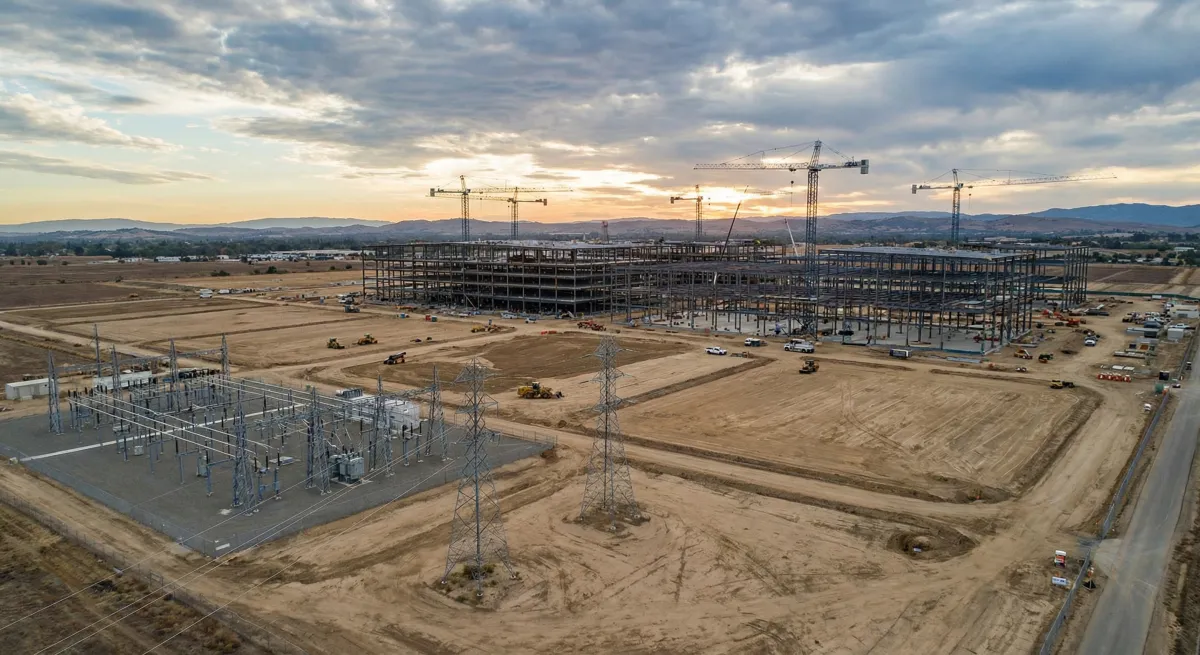
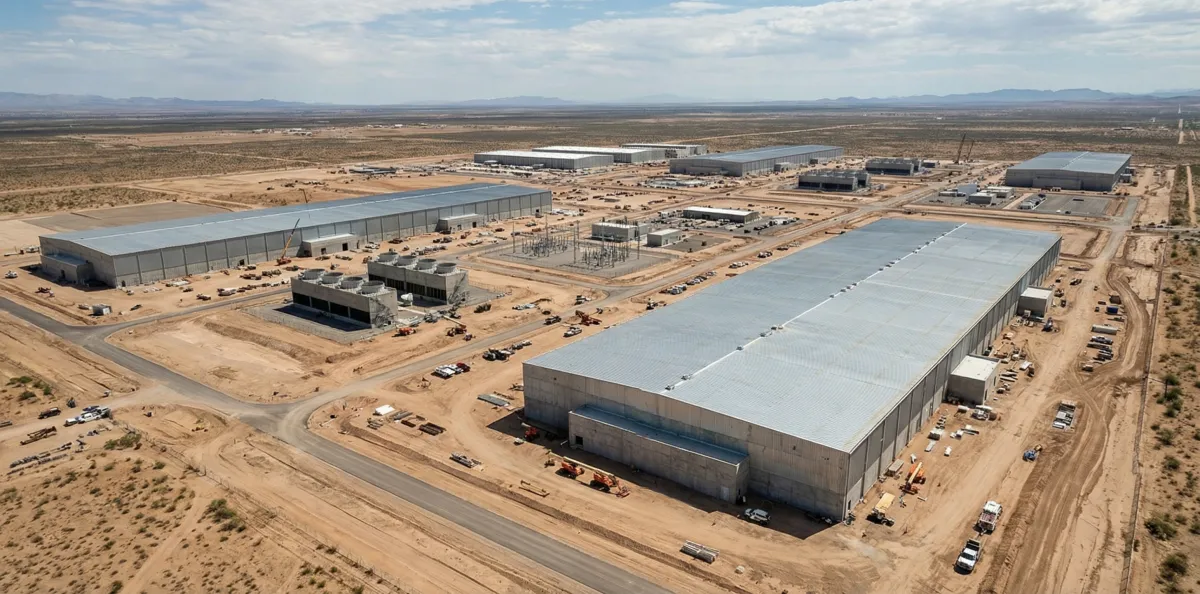
The scale of individual commitments tells the story. Amazon's capital expenditures topped $100 billion in 2025. Meta's CapEx reached $39 billion in 2024 (up from $28 billion in 2023), with analysts predicting it could hit $100 billion in 2026. Each hyperscaler is trending toward $100 billion annually. And North America dominates the pipeline: a ResearchAndMarkets report pegs the region's data center project pipeline at $800.7 billion, with $159.9 billion already in execution.
The Power Problem
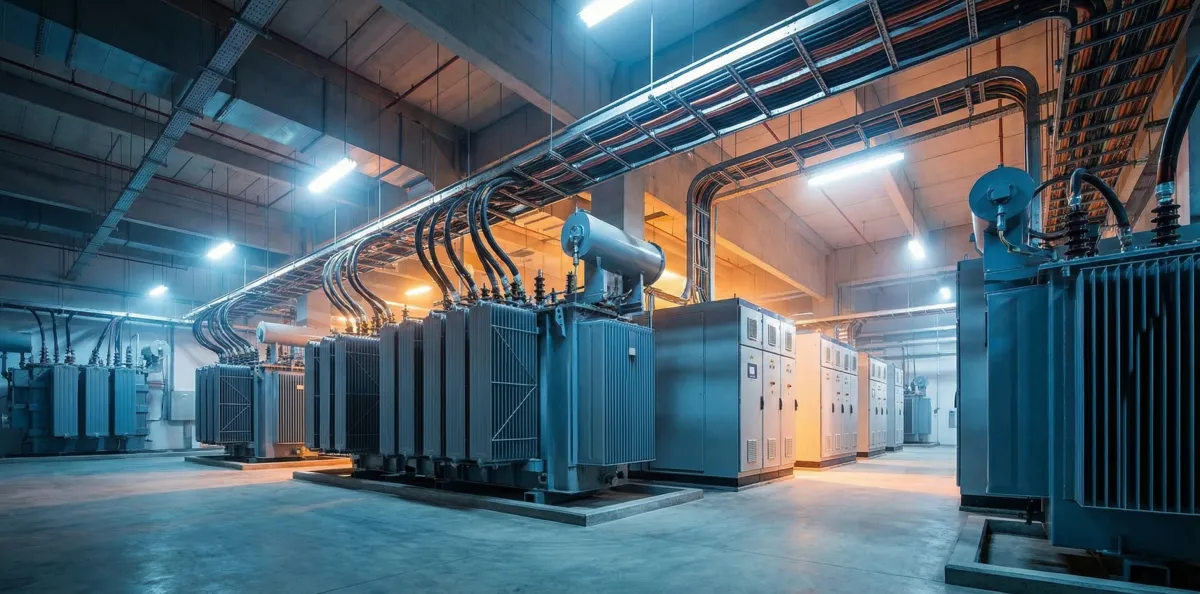
The single biggest constraint on this expansion isn't land, labor, or capital — it's power. AI-optimized GPU racks draw dramatically more electricity than traditional compute, and the aggregate demand is reshaping energy markets. Data center electricity consumption is expected to double between 2023 and 2028, reaching 857 terawatt-hours by 2028 according to industry projections.
This power hunger has pushed construction out of saturated primary markets like Northern Virginia into secondary markets — Ohio, Indiana, the Carolinas — wherever grid capacity and utility agreements can be secured. Sites with confirmed power connections are worth exponentially more than raw land.
The Nuclear Renaissance
The power crisis has triggered what can only be called a nuclear renaissance in the tech industry. The deals are real and they are massive:
- Microsoft signed a 20-year agreement with Constellation Energy to restart Three Mile Island Unit 1 under a $1.6 billion plan, securing 837 megawatts of carbon-free baseload power targeted for 2028.
- Amazon secured a 1.92-gigawatt power purchase agreement from the Susquehanna nuclear plant and invested $500 million in Small Modular Reactor (SMR) development.
- Google signed a deal to deploy a fleet of SMRs through Kairos Power, targeting operational units by 2030, and is providing early-stage capital to Elementl Power for 600 MWe of capacity across three sites.
- Meta announced a 6.6-gigawatt nuclear procurement strategy in early 2026 to support its "Prometheus" AI data center project, and signed a 20-year deal with Constellation Energy to purchase power from the Clinton Clean Energy Center — saving a plant that had been slated for closure.
All four companies view nuclear baseload as a critical addition to their carbon-free portfolios alongside solar, wind, and geothermal. Microsoft, Meta, and Amazon also set records for solar procurement in 2025, locking in long-horizon supply and pricing. These aren't PR moves — they represent a fundamental shift where technology companies are becoming direct participants in energy infrastructure.
Real Estate Implications
The boom is transforming commercial real estate far beyond the facilities themselves. Markets that attract hyperscaler campuses see cascading effects: housing demand, growth in supporting industries (fiber, electrical equipment, cooling systems), and significant tax revenue increases.
But tensions are growing. Community opposition to data centers is intensifying in markets like Loudoun County, Virginia, and parts of Ireland, where residents cite noise, water consumption, and grid strain. Several jurisdictions have imposed construction moratoria, forcing developers further afield.
Our Take
With $600 billion in annual hyperscaler CapEx and an $800 billion North American project pipeline, the data center building boom is the largest infrastructure buildout since the interstate highway system. The companies that secure power, land, and cooling infrastructure today will hold decisive competitive advantages in the AI era.
But the industry faces a sustainability reckoning. Data center electricity consumption is on track to double in five years. How the industry balances explosive growth with grid reliability, community relations, and environmental responsibility will be one of the defining infrastructure challenges of the decade. Nuclear deals are a promising start — but the scale of the problem is growing faster than the solutions.