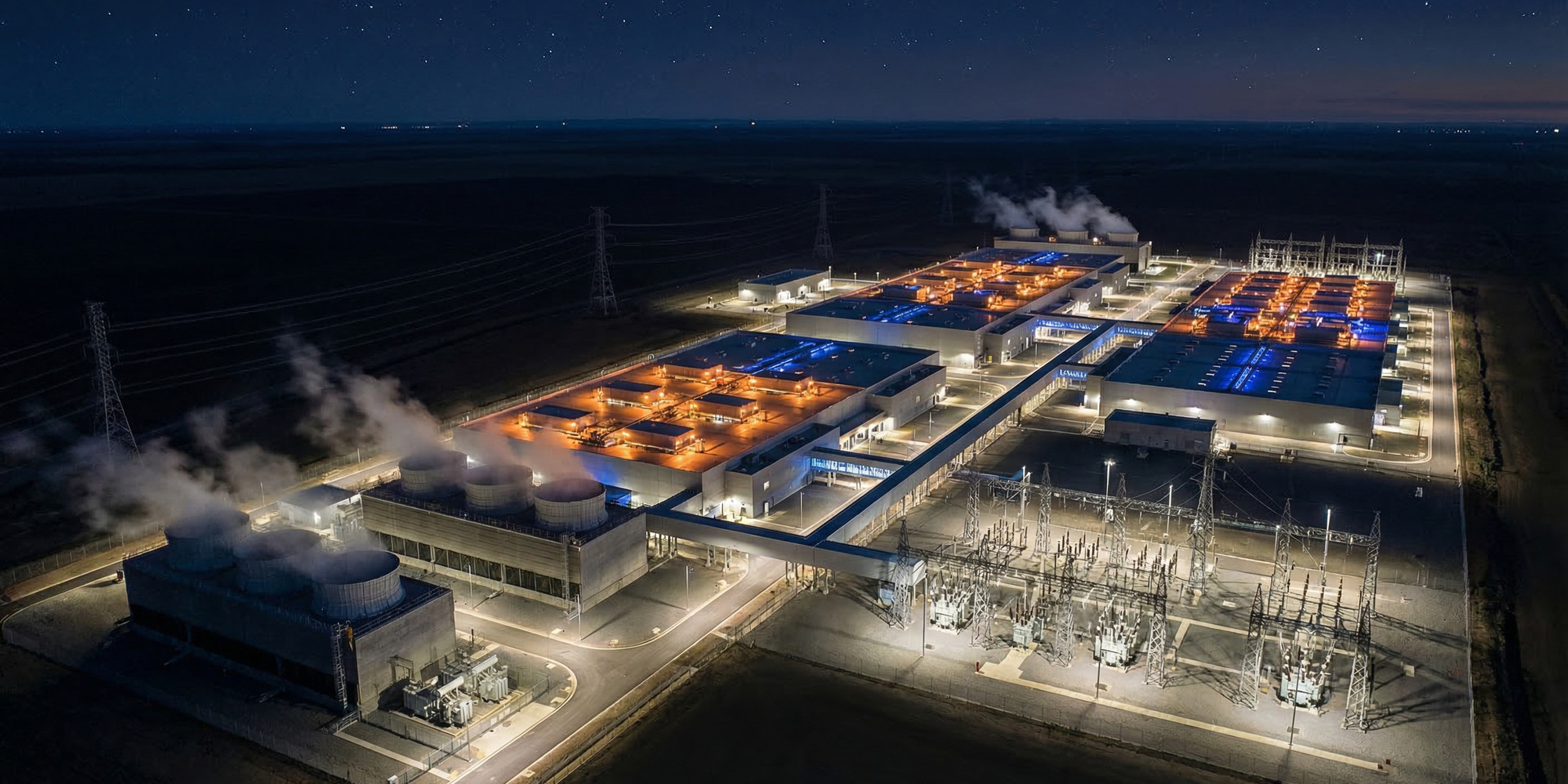
Stargate’s Next Bottleneck: From Gigawatt Announcements to Grid and Contract Reality
Stargate’s next phase will be decided less by announced gigawatts and more by energizable capacity, contract structure, and real commissioning velocity.
Hyperscale facilities, power & cooling, colocation, edge computing, and the commercial real estate powering the cloud.

Stargate’s next phase will be decided less by announced gigawatts and more by energizable capacity, contract structure, and real commissioning velocity.

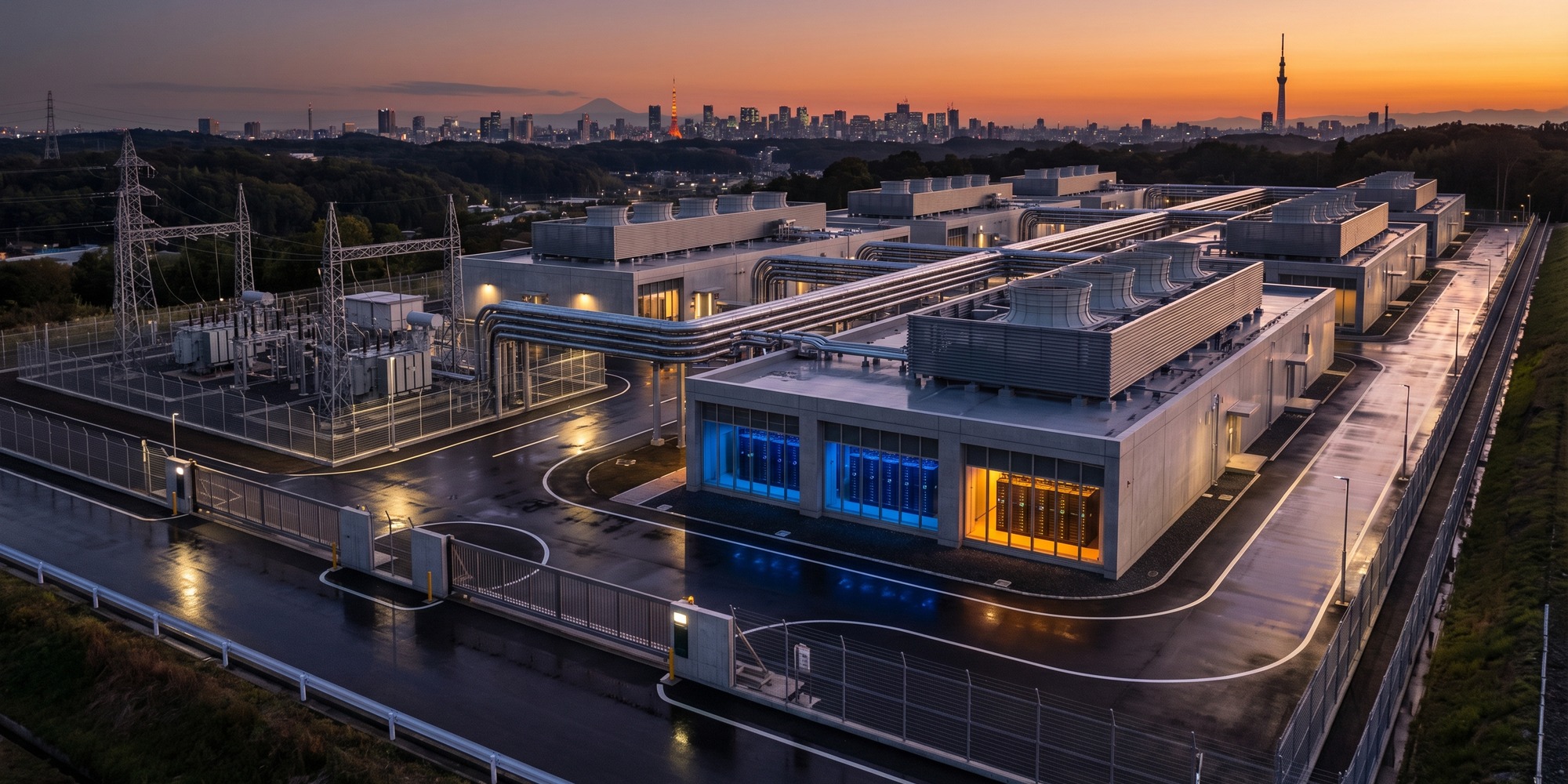
Microsoft’s ¥1.6 trillion commitment to Japan reframes hyperscaler competition around sovereign AI infrastructure, domestic GPU capacity, and cyber-trust architecture.

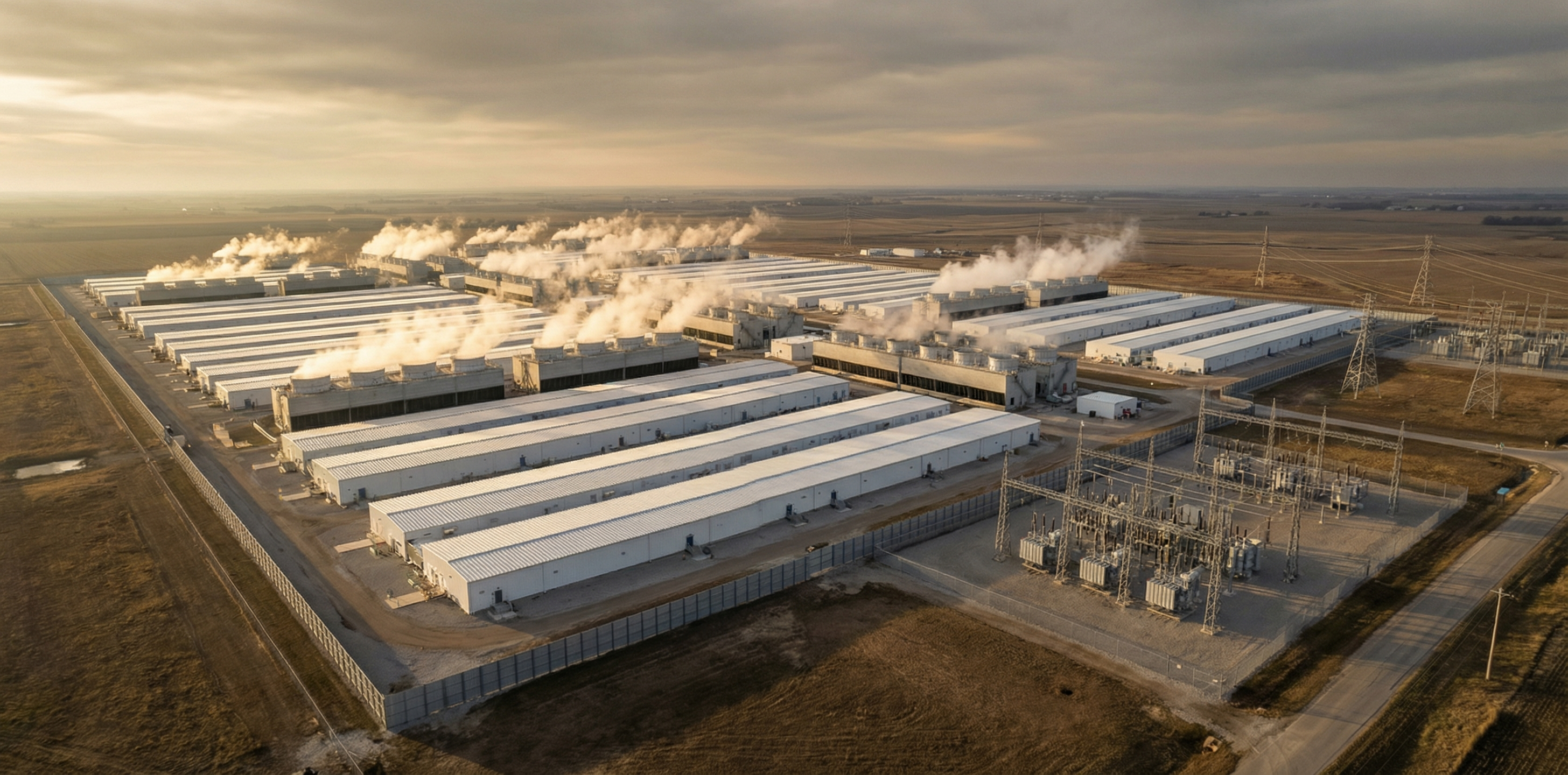
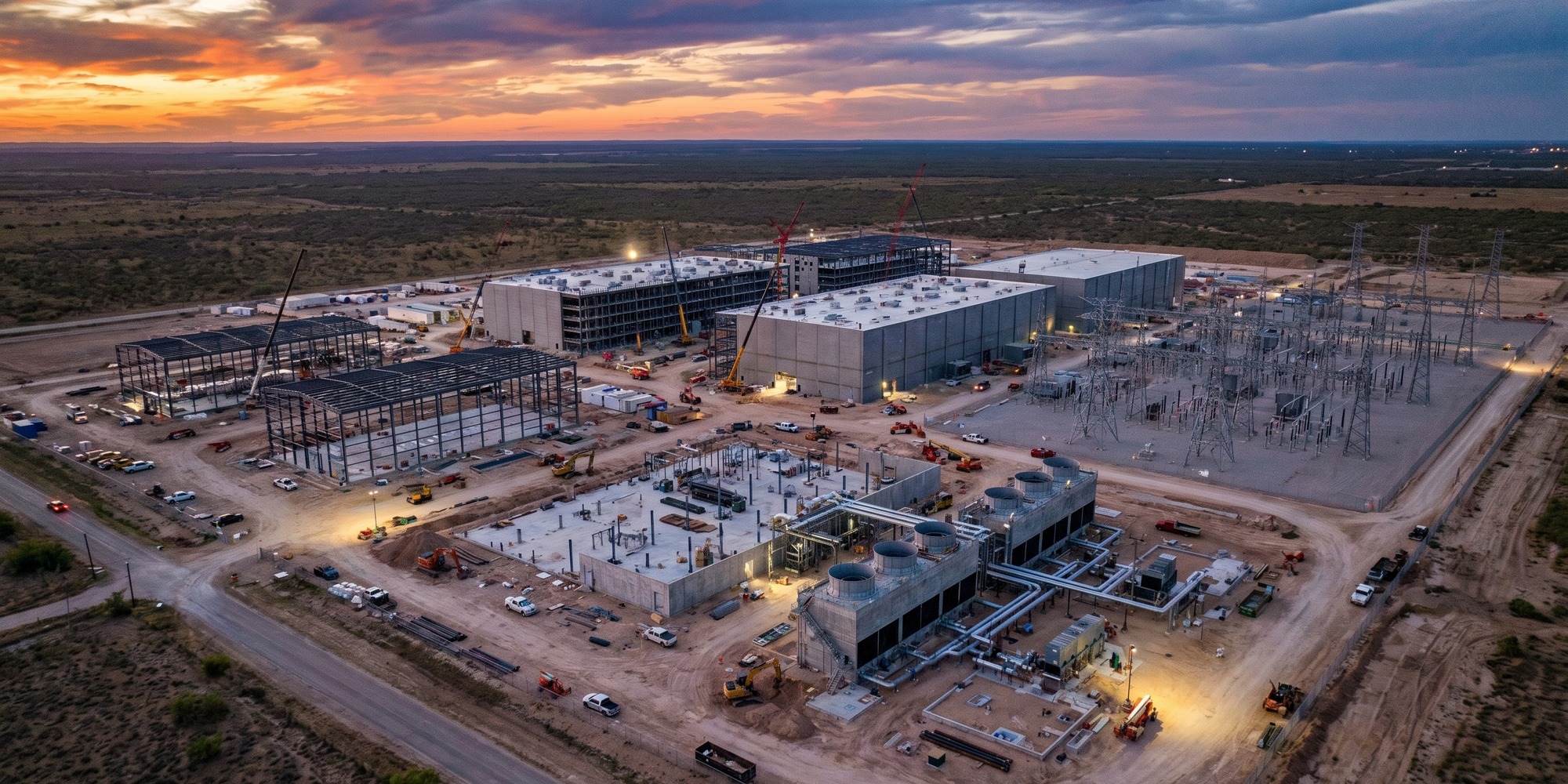
Meta's massive $10 billion data center expansion in El Paso, Texas, is set to become a 1-gigawatt powerhouse, raising questions about energy infrastructure, local impact, and the future of AI-driven data demands.

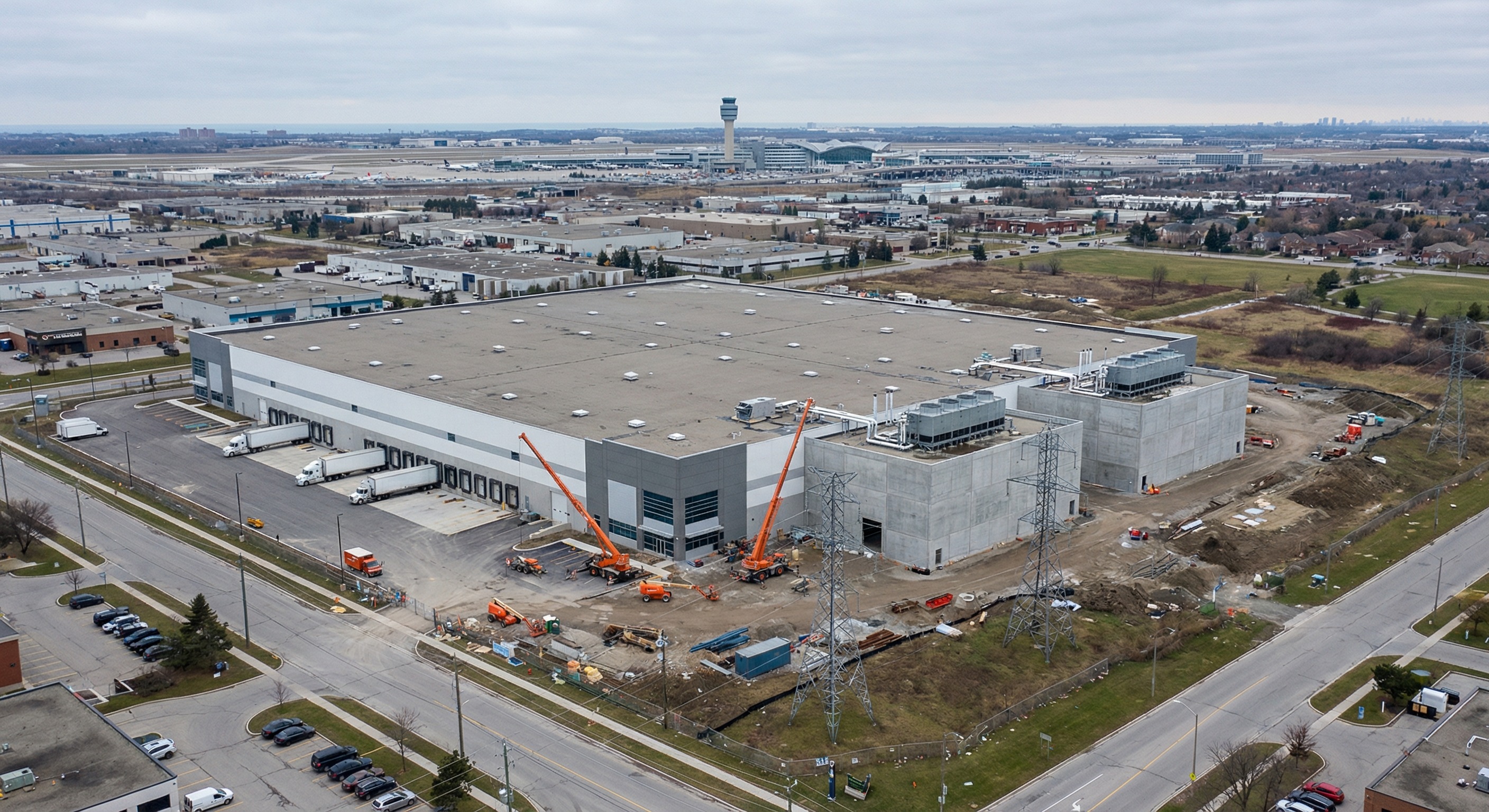
Prologis filed to build a data center campus in Mississauga, Ontario. It's the leading edge of a structural shift — industrial REITs, railways, and utilities are entering the AI infrastructure race that traditional operators can no longer win alone.

Cloudflare's Dynamic Workers open beta offers isolate-based sandboxing that starts in milliseconds — 100x faster than containers — targeting the AI agent execution bottleneck that will define consumer-scale deployment.

Senator Bernie Sanders introduced a bill to halt all AI data center construction until Congress passes AI safety legislation. AOC is set to introduce a companion House bill. A deep analysis of what the bipartisan backlash means for the $300B AI buildout.

Panasonic says data center batteries are selling years ahead as it pivots from automotive to compute. A deep analysis of the UPS supply crisis quietly choking AI infrastructure timelines — and why it may be the constraint nobody is talking about.

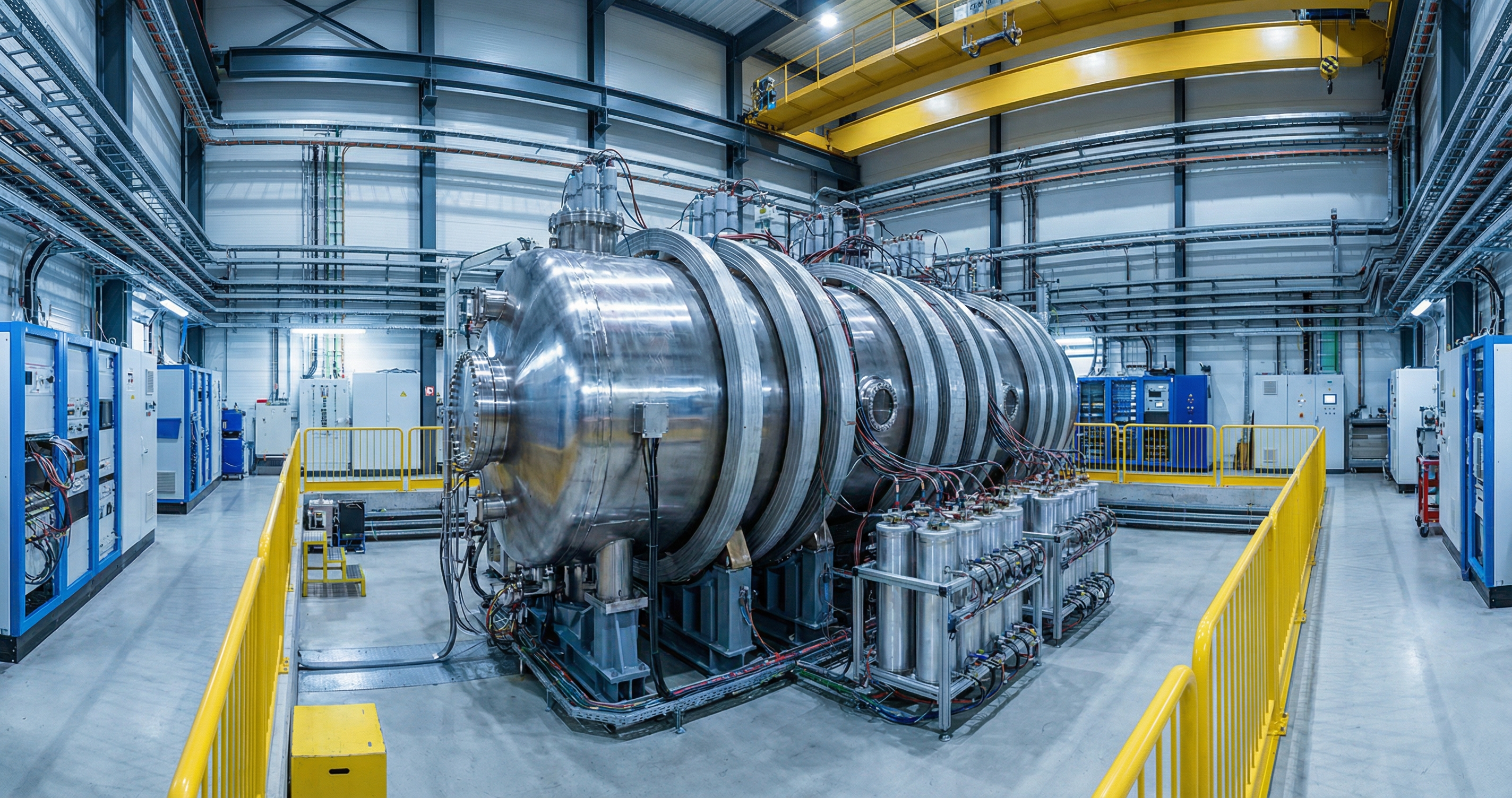
OpenAI is negotiating an electricity deal with Helion Energy, the fusion startup Sam Altman also backs. Altman has stepped down as Helion's board chair and recused himself. A deep analysis of what this means for AI infrastructure energy strategy — and what's at stake for fusion's commercial timeline.

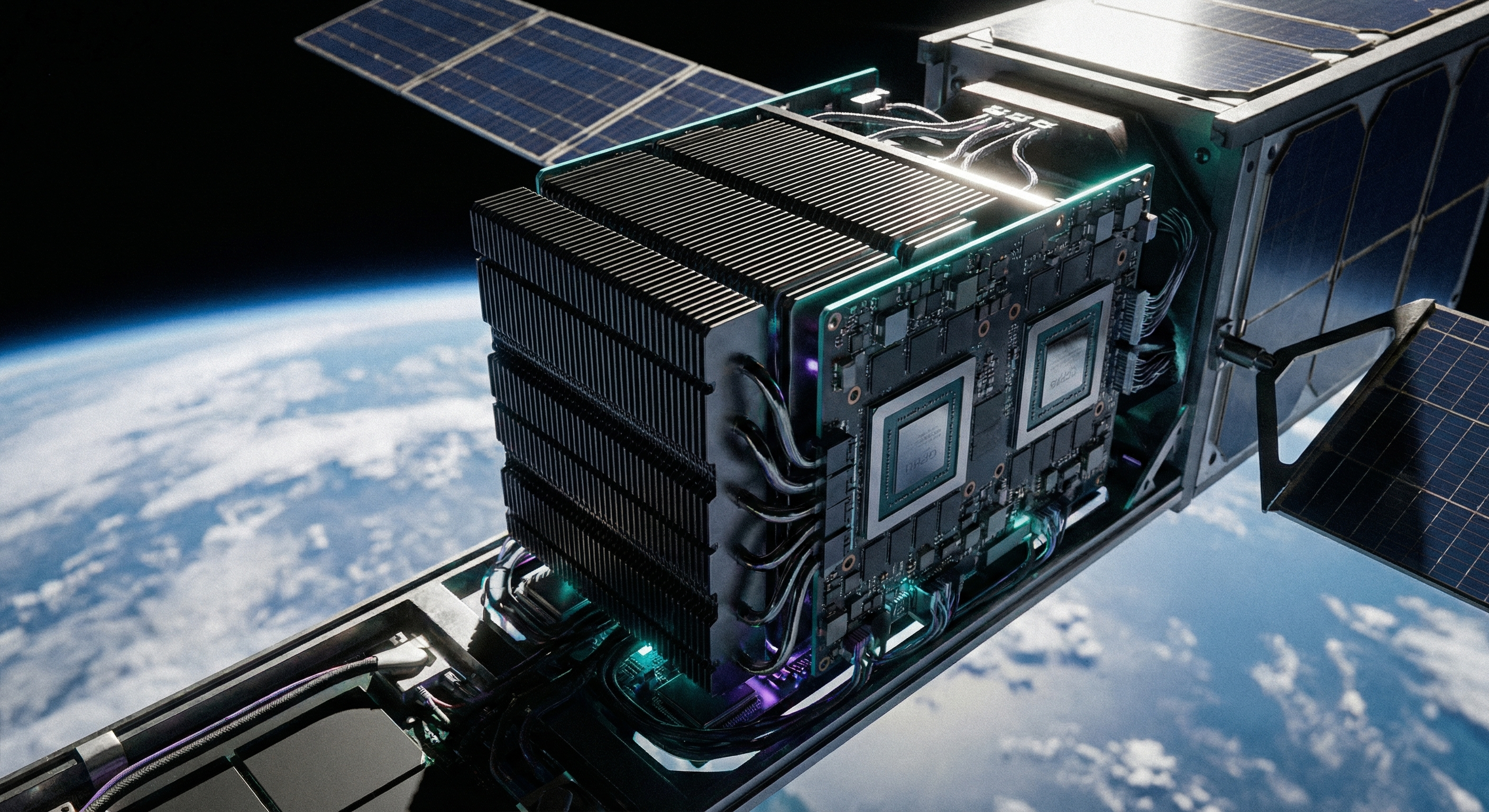
NVIDIA's Space-1 Vera Rubin Module delivers 25x more AI compute than the H100 for orbital deployments. Six companies are already building orbital data centers. The implications for AI infrastructure are profound — and the constraints are real.

DRAM and HBM are committed through 2028. Tariffs add cost uncertainty, but component scarcity—not power or permitting—is what's actually stalling AI data center deployment.

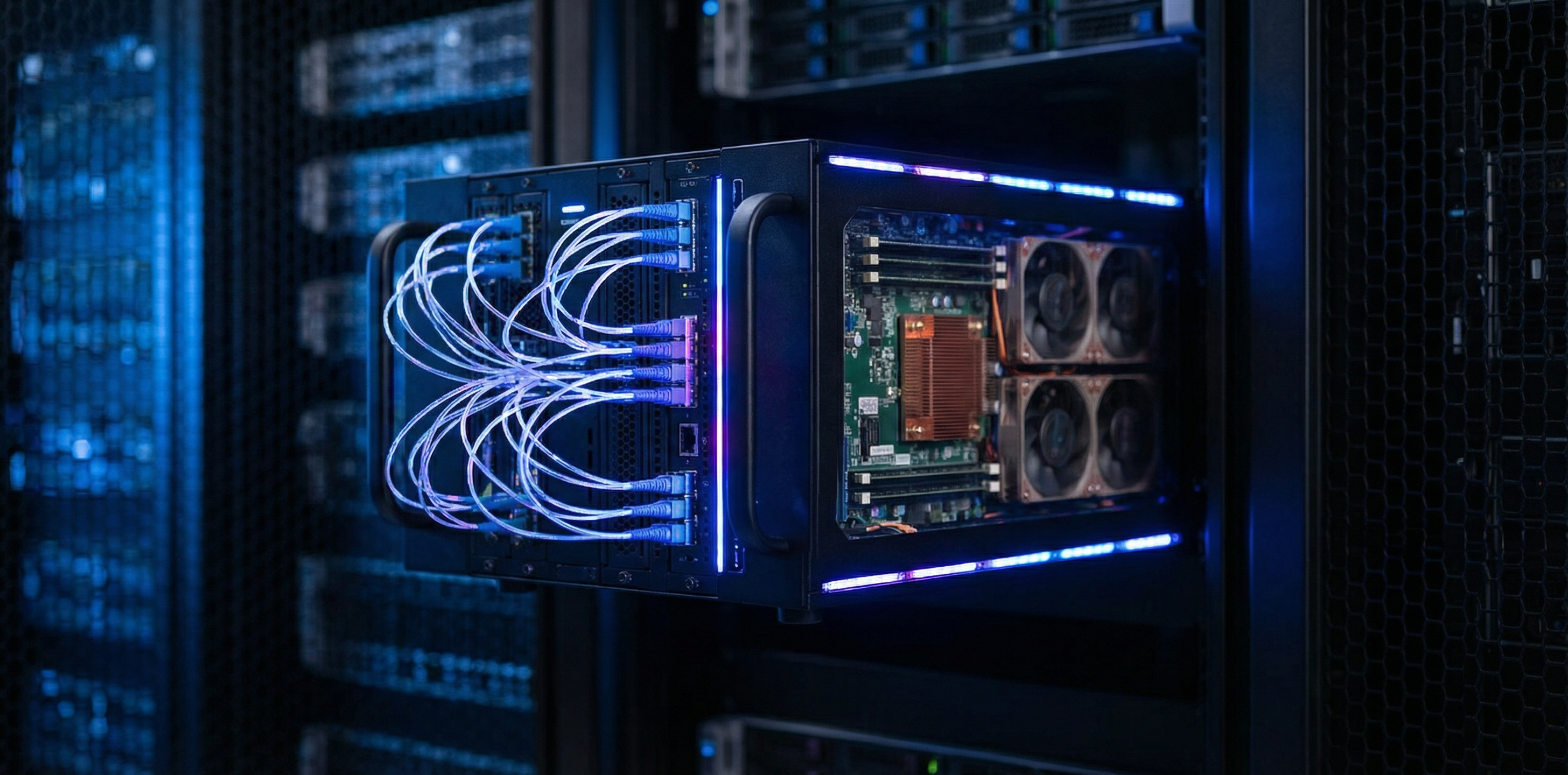
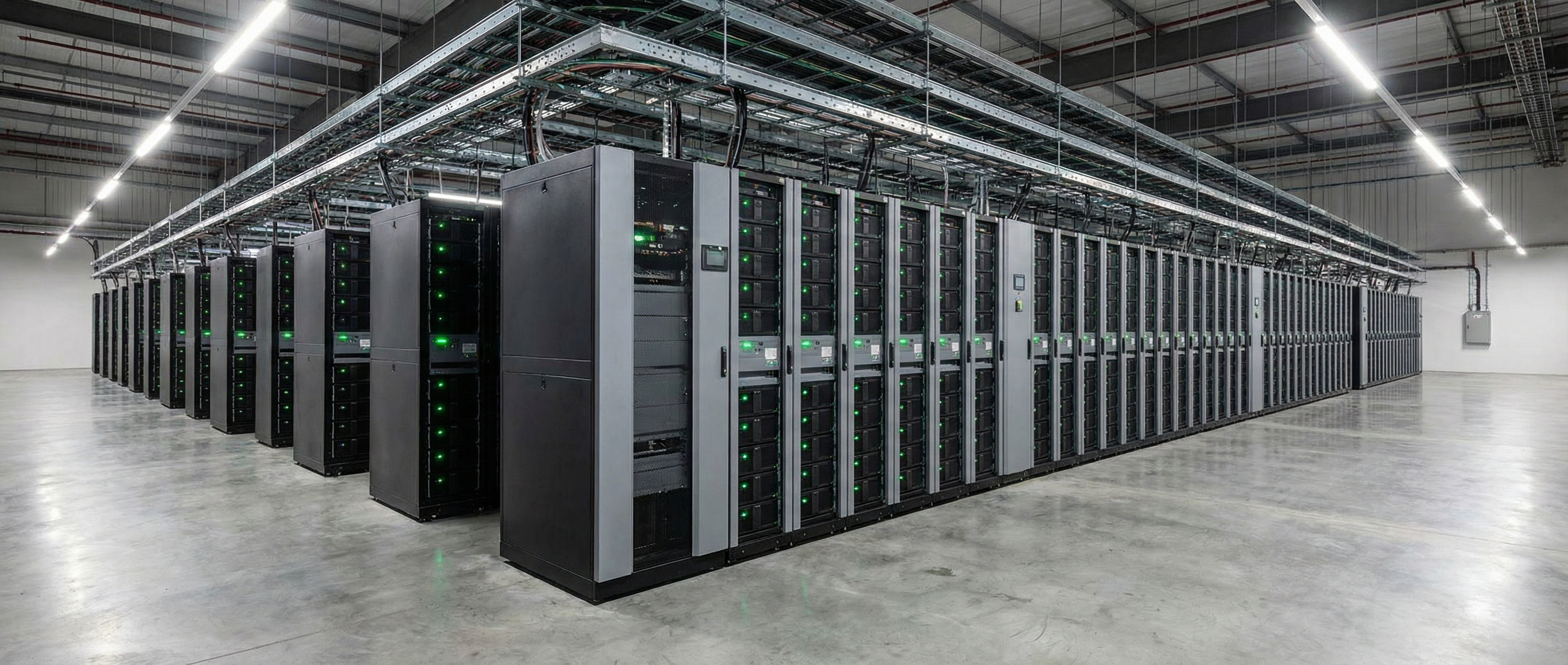
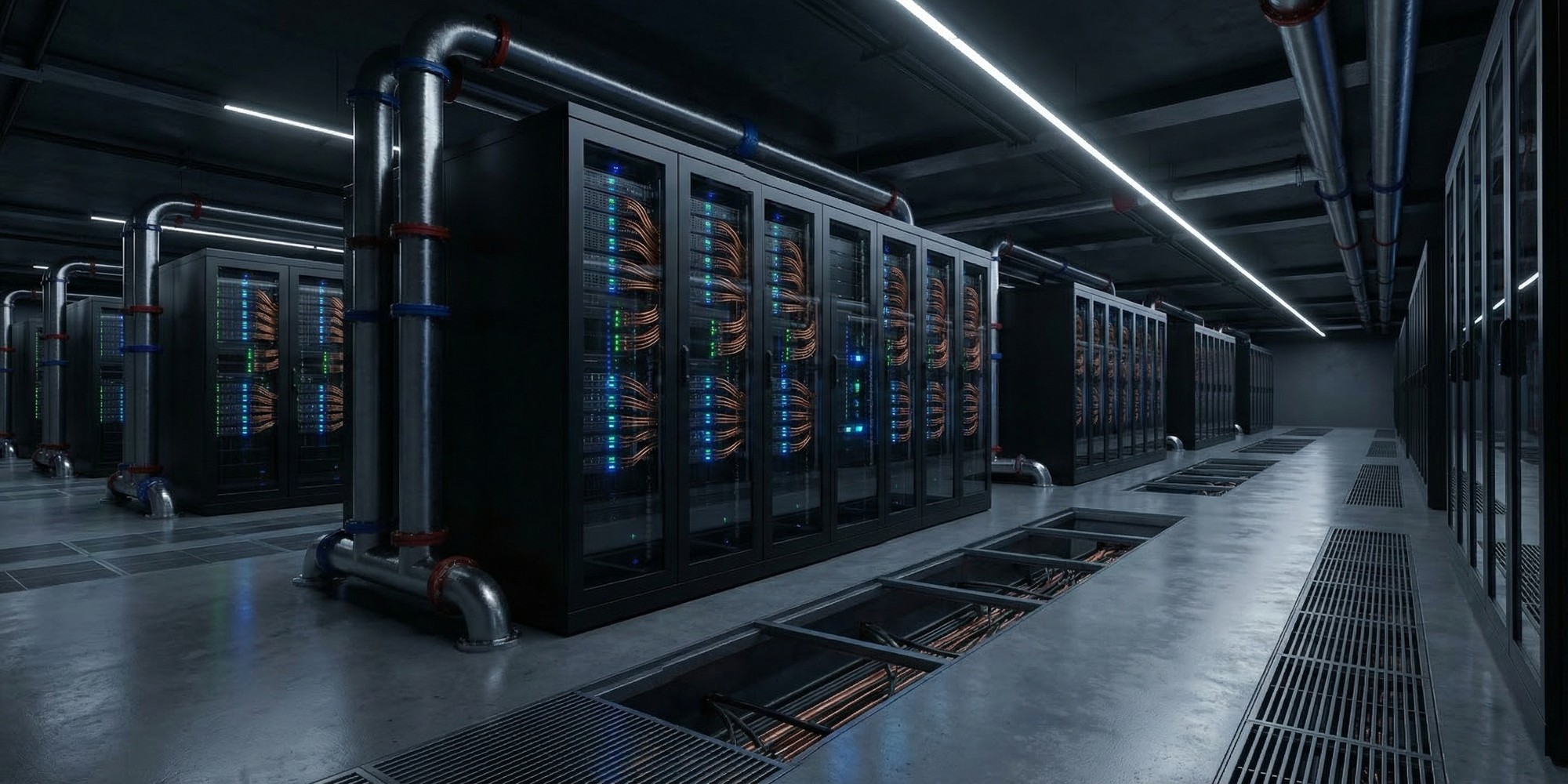
NVIDIA's Vera Rubin POD—40 racks, 60 exaflops, 700M tokens per second—forces a wholesale redesign of data center facilities: 4,000-pound racks, 45°C liquid cooling, cable-free assembly, and structural floor-load calculations that most existing colo facilities cannot meet.

Trump's Ratepayer Protection Pledge brought Big Tech to the White House — but with no binding enforcement, a broken PJM market structure, and electricity prices up 36% since 2020, America's AI power crisis demands far more than a voluntary commitment.