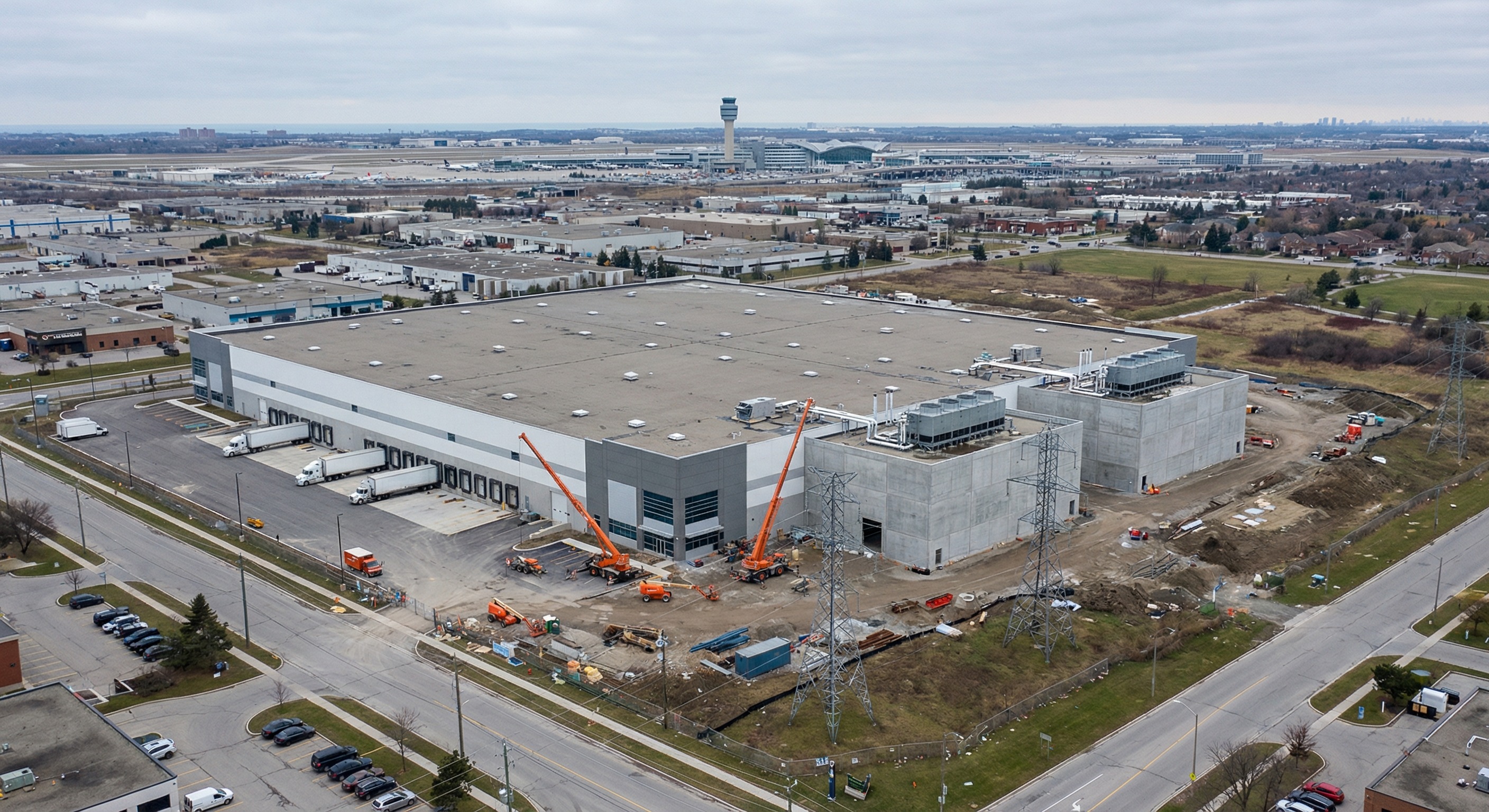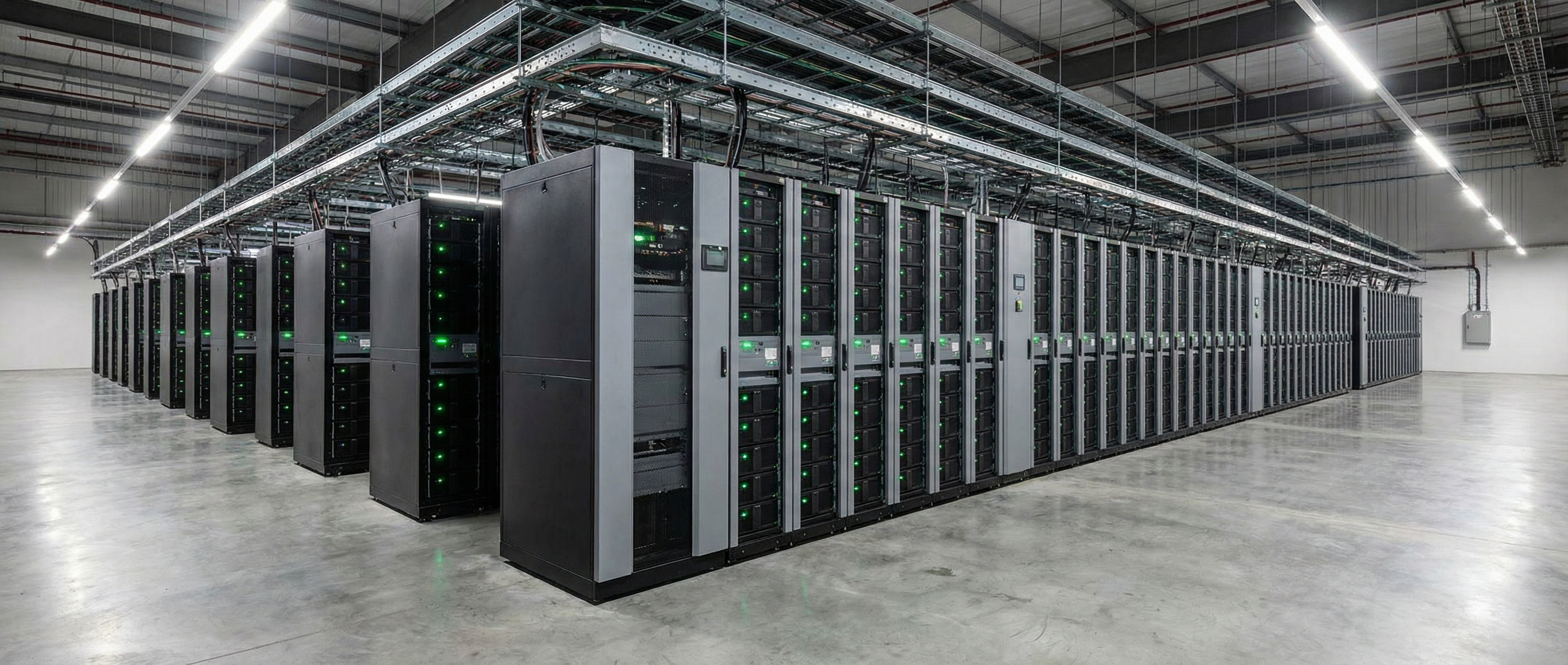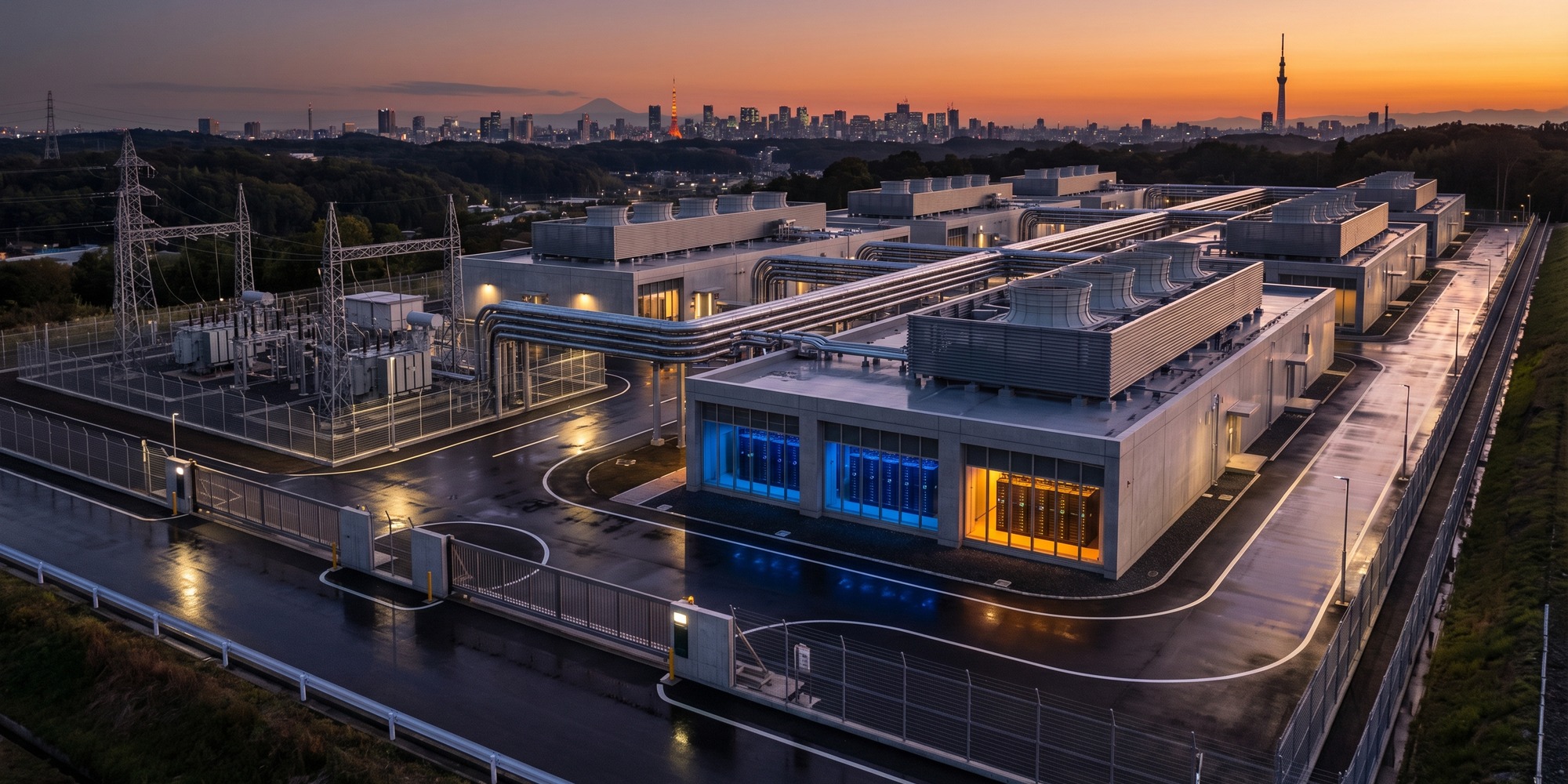
Microsoft’s new ¥1.6 trillion ($10 billion) commitment to Japan looks like another giant hyperscaler capex headline, but the deeper signal is architectural. The plan combines domestic GPU capacity from Japanese partners with Azure service layers and government-linked cybersecurity cooperation, effectively packaging cloud performance, data residency, and state-level trust into a single infrastructure offer. In 2026, that bundle is becoming the new baseline for how AI infrastructure gets bought.
The Deal in Concrete Terms
Microsoft said it will invest ¥1.6 trillion ($10 billion) in Japan from 2026 through 2029, with commitments spanning infrastructure, cybersecurity, and workforce programs. The company’s own announcement frames the package around three pillars, Technology, Trust, and Talent, including expanded in-country infrastructure and partner-delivered domestic compute.
Two names matter operationally: SoftBank and Sakura Internet. Microsoft says those partnerships are designed to increase Japan-based AI compute capacity while still letting enterprise and government users consume Azure services. The company also tied the package to a target to train more than one million engineers, developers, and workers by 2030.
Markets immediately recognized the infrastructure angle. CNBC reported Sakura Internet shares jumped as much as 20% after the announcement, suggesting investors read this less as abstract diplomacy and more as a revenue-bearing domestic compute pathway.
There is also a timing component that makes the deal more than symbolic. Microsoft explicitly says this builds on a previous $2.9 billion Japan commitment announced in 2024. That indicates continuity in capital planning rather than a one-off announcement cycle. In infrastructure terms, continuity matters because enterprise and public buyers need confidence that platform roadmaps, partner capacity, and compliance controls will still be there across multi-year procurement and deployment windows.
Why This Is a Data Center Story, Not Just a Diplomatic One
For years, hyperscaler expansion was mostly about scale economics: larger campuses, denser racks, and better power contracts. In this deal, the differentiator is governance topology. Microsoft is effectively offering a model where compute can sit on domestic infrastructure while control, tooling, and enterprise integrations remain Azure-native. That architecture matters most in regulated sectors where data residency and operational jurisdiction are procurement blockers, not optional enhancements.
The language used by Microsoft and Japanese officials points directly to this sovereignty logic. In Microsoft’s release, Japanese leadership statements emphasized the significance of using GPU infrastructure from Sakura Internet and SoftBank while preserving data sovereignty. Reuters similarly describes a structure where sensitive data can remain in-country while users still access Azure services.
That design gives domestic operators strategic leverage. Instead of being displaced by hyperscalers, local providers become essential components in national AI capacity. This is a subtle but important shift in data center economics: land, power, and fiber are still foundational, but compliance-grade locality now monetizes just as directly as raw megawatt scale.
It also changes competition inside the region. If sovereign-aligned architecture becomes standard, hyperscaler success depends on who can build the strongest domestic partner mesh, not only who can deploy the largest standalone campus. Microsoft’s references to partner-supplied GPU pathways in Japan and Japanese customer access through Azure point to exactly that operating model: federated capacity under a unified service interface. That can accelerate adoption in heavily regulated sectors because customers avoid a binary choice between local control and global cloud functionality.
Cybersecurity and Cloud Are Now One Stack
The package also integrates state-facing cybersecurity cooperation into the infrastructure plan itself. Reuters reports Microsoft will deepen cooperation with Japanese authorities on cyber threat intelligence and crime prevention. That framing matters because it turns trust from a legal afterthought into a product feature.
This aligns with Microsoft’s broader sovereign-cloud posture announced earlier this year, where the company described support for connected, intermittently connected, and fully disconnected operations, including AI model deployment in strict sovereign boundaries. Japan is not merely receiving capacity; it is receiving an implementation of a broader control-plane strategy Microsoft is now marketing globally.
For buyers, this convergence changes vendor evaluation criteria. Traditional scorecards weighted performance, reliability, and unit cost. New sovereign deployments add operational continuity in sensitive environments, policy enforcement controls, and government interoperability. The resulting moat is less about owning every rack and more about orchestrating the full trust stack across public and private infrastructure domains.
Importantly, this does not guarantee better security outcomes by itself. Announced cooperation and threat-intelligence sharing should be read as capability intent until implementation details and measurable outcomes are visible. But even at this stage, the procurement signal is strong: vendors that can connect cloud operations to national cyber institutions are likely to gain advantage in strategic workloads where incident response speed and jurisdictional clarity matter as much as feature velocity.
Workforce Is Becoming Infrastructure
The one-million-person training pledge can be easy to dismiss as headline branding, but it maps to a real supply constraint. Reuters and Microsoft both cite a projected gap of roughly 3 million-plus AI and robotics workers by 2040 in Japan. If deployment demand rises faster than skilled labor, then infrastructure expansion stalls even when chips and power are available.
In that sense, talent is no longer adjacent to data center strategy, it is part of throughput strategy. New facilities, sovereign controls, and advanced model operations require engineers who understand cloud policy tooling, AI ops, security operations, and sector-specific compliance. Training volume is therefore necessary but not sufficient; the critical metric will be conversion into deployable roles in enterprises, government agencies, and ecosystem partners.
Execution risk remains significant. Large skilling commitments often over-index on certification counts, while production environments demand deep systems competence. The relevant question for 2027 and 2028 is not whether one million participants can be enrolled, but whether enough of them can run and secure mission-critical AI systems at scale.
The training footprint Microsoft outlined is broad, including collaboration with major Japanese IT firms and institutions named in external coverage, which can help distribute delivery risk across the ecosystem rather than concentrating it in a single curriculum channel. But distributed delivery also raises quality-consistency challenges. For regulated AI systems, uneven operator skill can translate into uneven policy enforcement and security posture, which ultimately becomes a production risk, not a classroom problem.
The Bigger Capital Backdrop
Japan’s deal lands in a period of mounting concern over the affordability of global AI buildouts. Reuters Breakingviews recently argued the sector is colliding with a multi-trillion-dollar financing reality, with labor, materials, and power all constraining expansion timelines. That macro pressure is real, but sovereign demand changes the calculus.
When AI infrastructure is framed as economic-security architecture, governments and regulated industries tolerate lower short-term financial efficiency in exchange for control and resilience. That does not remove budget limits, but it broadens the set of projects that can be justified and financed. In practical terms, sovereignty requirements can sustain capex momentum even as private-market return thresholds tighten.
Japan’s program illustrates this dynamic clearly. The package is not just “more cloud,” it is cloud capacity mapped to national policy priorities, including security cooperation and domestic capability development. That kind of alignment can make large investments politically durable in ways ordinary expansion plans often are not.
There is a second-order effect here for global capacity planning. If sovereign requirements increasingly determine where high-value workloads land, operators may need to replicate expensive capabilities across more jurisdictions rather than concentrating them in a few mega-regions. That can raise capital intensity, but it can also create a more stable demand base in countries willing to anchor AI deployment to national resilience and economic security goals.
What to Watch Next
Three milestones will determine whether this becomes a template for other G7 markets. First, monitor concrete rollout metrics: domestic GPU volume, partner deployment cadence, and which sectors adopt first. Second, watch whether sovereign-by-design architecture wins contracts in government, finance, and critical infrastructure where jurisdictional control is non-negotiable. Third, track whether Japan’s structure is replicated in Europe and other regions already pushing data and cloud sovereignty agendas.
For now, the strategic takeaway is straightforward. Microsoft’s Japan package is not simply a large regional investment announcement. It is a working model for the next phase of hyperscaler competition, where geography, governance, and cybersecurity integration increasingly matter as much as raw compute performance.
If this architecture proves commercially and operationally effective in Japan, expect similar sovereign-infrastructure bundles to become standard language in enterprise AI RFPs elsewhere. In that world, the winners will be platforms that can combine domestic execution credibility with global software leverage, while proving they can keep critical systems running under both normal and high-stress conditions.