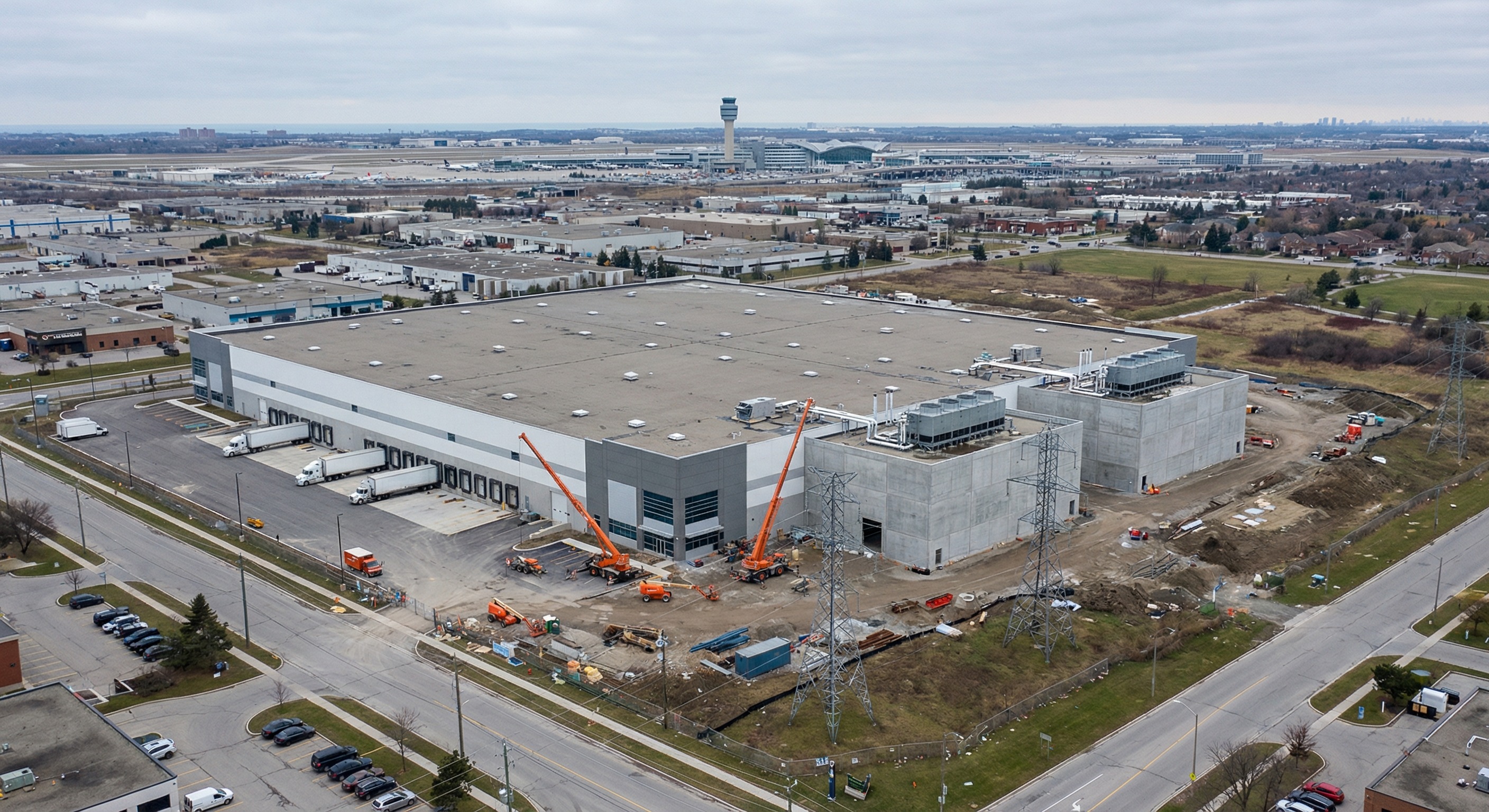
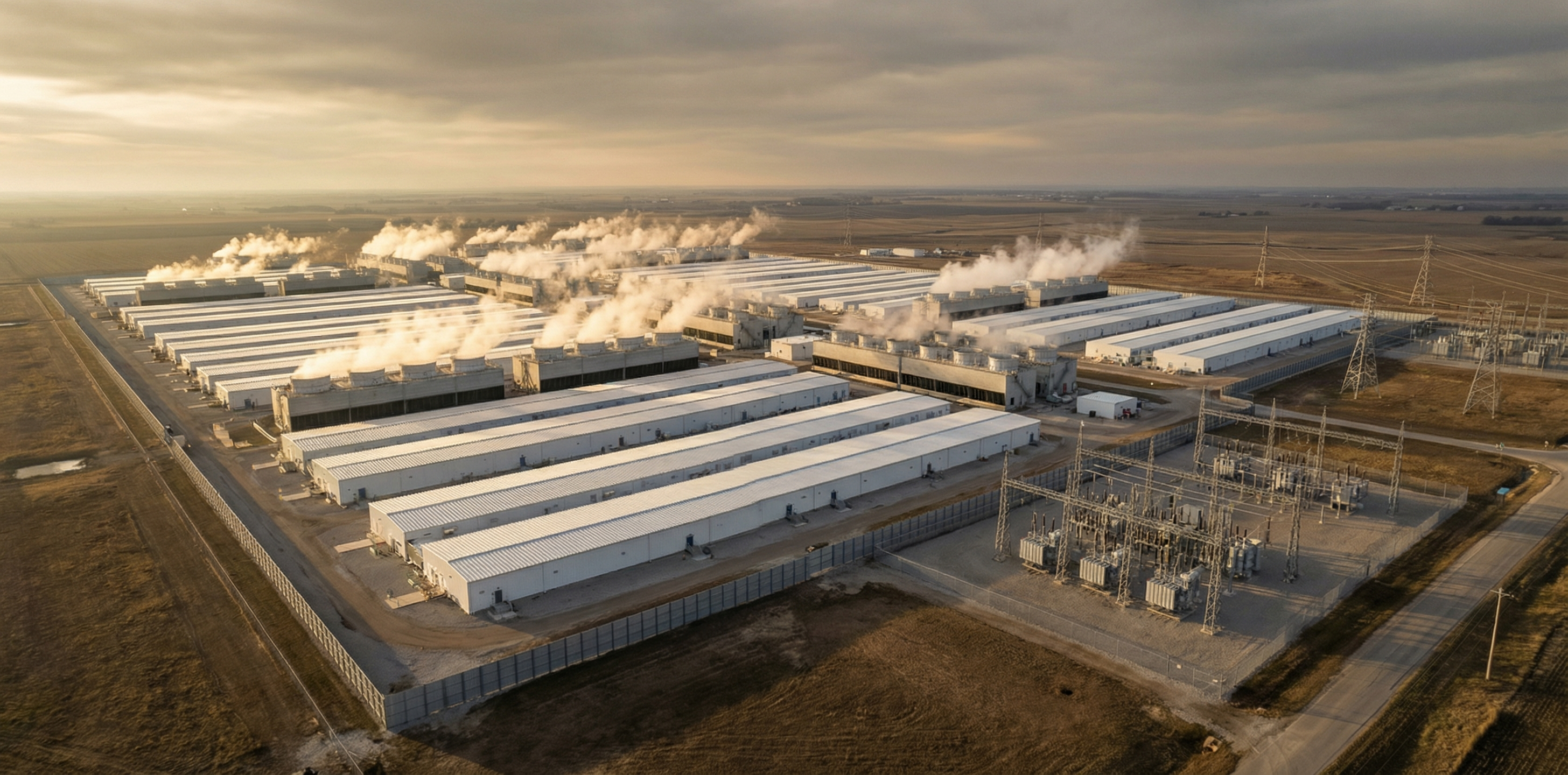
Meta Platforms is dramatically escalating its investment in El Paso, Texas, with plans to expand its data center complex from an initial $1.5 billion to a staggering $10 billion. This monumental expansion is not just a financial commitment; it’s a strategic move to build an 11-building, 1-gigawatt powerhouse designed to fuel the escalating demands of artificial intelligence. However, this ambitious project comes with significant energy implications, prompting El Paso Electric to propose a new $473 million natural gas power plant, a development that is already sparking considerable debate among local residents and environmental advocates.
The Gigawatt Ambition: Fueling AI's Insatiable Hunger
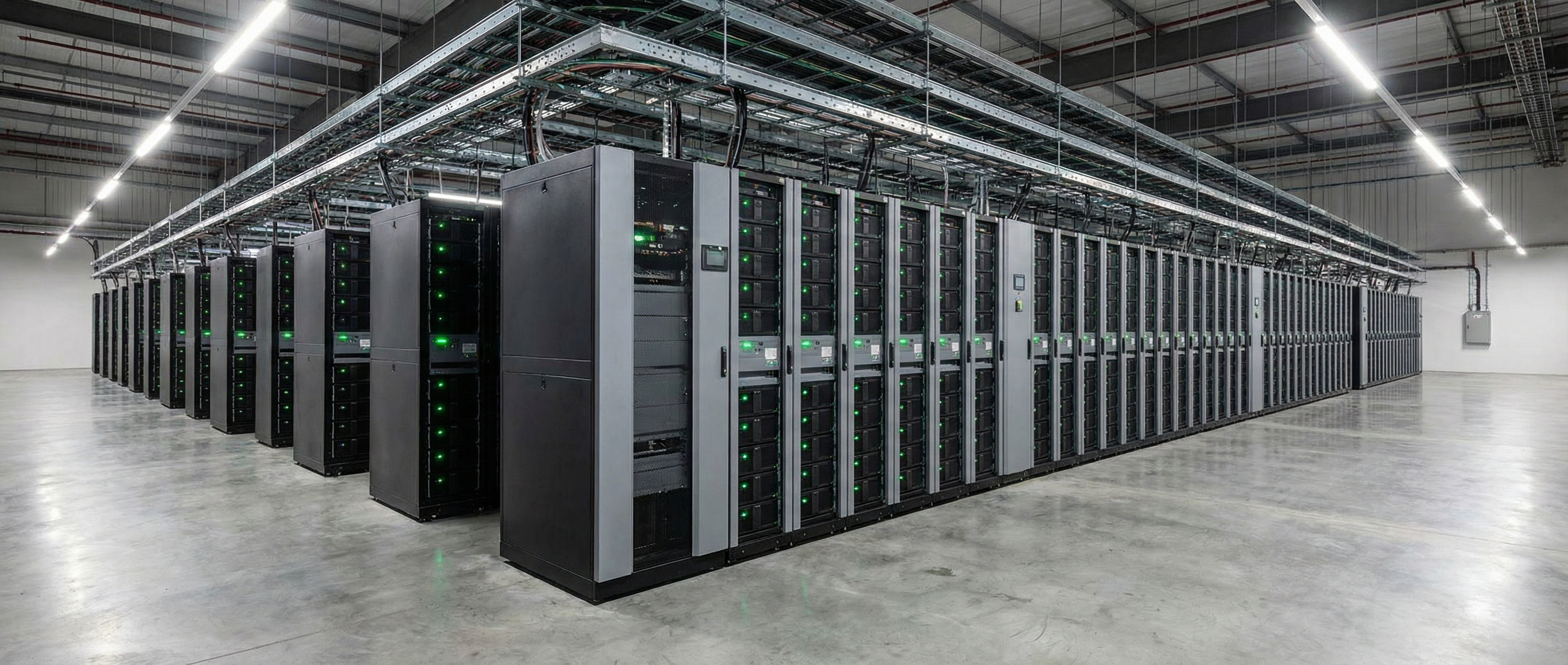
Meta's decision to boost its investment in El Paso by nearly sevenfold underscores the tech giant's aggressive push into AI infrastructure. The planned 1-gigawatt capacity is a testament to the colossal energy requirements of modern AI models, which demand an unprecedented scale of computational power. This expansion will see the construction of 11 state-of-the-art data center buildings, transforming a desert landscape into a critical hub for global data processing and AI development. The facility is poised to handle vast quantities of data, supporting Meta's metaverse initiatives, AI research, and various platform services. This massive scale is indicative of a broader industry trend where hyperscale data centers are becoming the backbone of the digital economy, particularly with the rapid acceleration of AI technologies.
El Paso Electric's Power Play: A New Gas Plant for a Tech Giant
To meet Meta's insatiable energy needs, El Paso Electric (EPE) has filed a proposal with state regulators to construct a new natural gas power plant. The proposed facility, estimated at nearly $500 million and with a capacity of 366 megawatts, would primarily serve the Meta data center for at least five years. This arrangement highlights a growing challenge for utility providers in regions attracting large tech investments: how to rapidly scale energy supply to match the immense and often sudden demands of data center operators. While EPE asserts the new plant is essential to ensure grid stability and reliability for all its customers, the reliance on a fossil fuel source for such a significant project has drawn criticism. Critics argue that this move runs counter to global efforts to decarbonize energy grids and could lock the region into decades of natural gas dependency.
Economic Boom vs. Environmental Concerns: A Local Dilemma
The Meta data center expansion is undeniably a significant economic boon for El Paso. The project is expected to create over 300 operational jobs once completed, in addition to thousands of construction jobs during its development phase. This influx of investment and employment opportunities is a welcome prospect for the region's economy. However, the environmental implications are a major point of contention. The construction and operation of a new natural gas plant raise concerns about increased carbon emissions, air quality, and the overall impact on El Paso's climate goals. Local environmental groups and some ratepayers are questioning whether the economic benefits outweigh the long-term environmental costs and whether more sustainable energy solutions should have been prioritized. The debate in El Paso mirrors similar discussions occurring in communities worldwide as they grapple with the energy demands of the burgeoning digital infrastructure.
Broader Industry Trends: AI, Energy, and Data Center Siting
The situation in El Paso is a microcosm of a larger trend impacting the data center industry globally. The explosion of AI technologies is driving an unprecedented demand for power, leading to a renewed focus on energy supply, grid resilience, and sustainable practices. Data center developers are increasingly looking beyond traditional tech hubs to regions with abundant land, favorable regulatory environments, and, crucially, access to vast amounts of affordable and reliable energy. However, this shift is also intensifying scrutiny on the environmental footprint of these facilities. The industry is under pressure to adopt more renewable energy sources, improve energy efficiency, and explore innovative cooling solutions. The challenge lies in balancing the rapid deployment needs of AI with the imperative for environmental stewardship, a dilemma that Meta and El Paso Electric are now navigating on a grand scale.
The Road Ahead: Regulation, Innovation, and Community Engagement
The proposed natural gas plant by El Paso Electric still requires regulatory approval, which will undoubtedly involve extensive public hearings and review. The outcome of this regulatory process will set a precedent for future data center developments in Texas and potentially beyond. Beyond regulatory hurdles, the long-term success of such massive projects hinges on ongoing innovation in energy management and a strong commitment to community engagement. As AI continues its exponential growth, the symbiotic relationship between tech giants and local utilities will become even more critical. Finding sustainable, equitable, and reliable solutions to power the future of computing will require collaborative efforts, transparent decision-making, and a willingness to adapt to evolving technological and environmental landscapes.