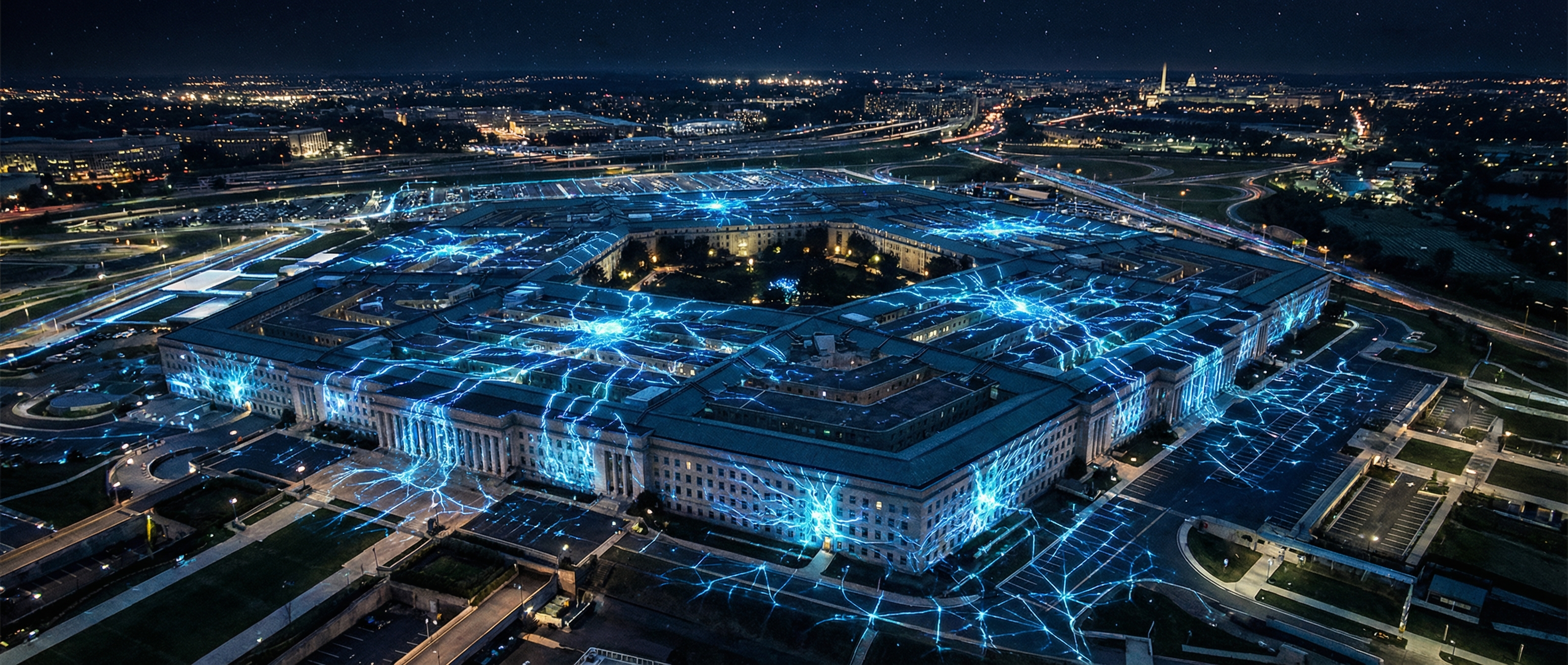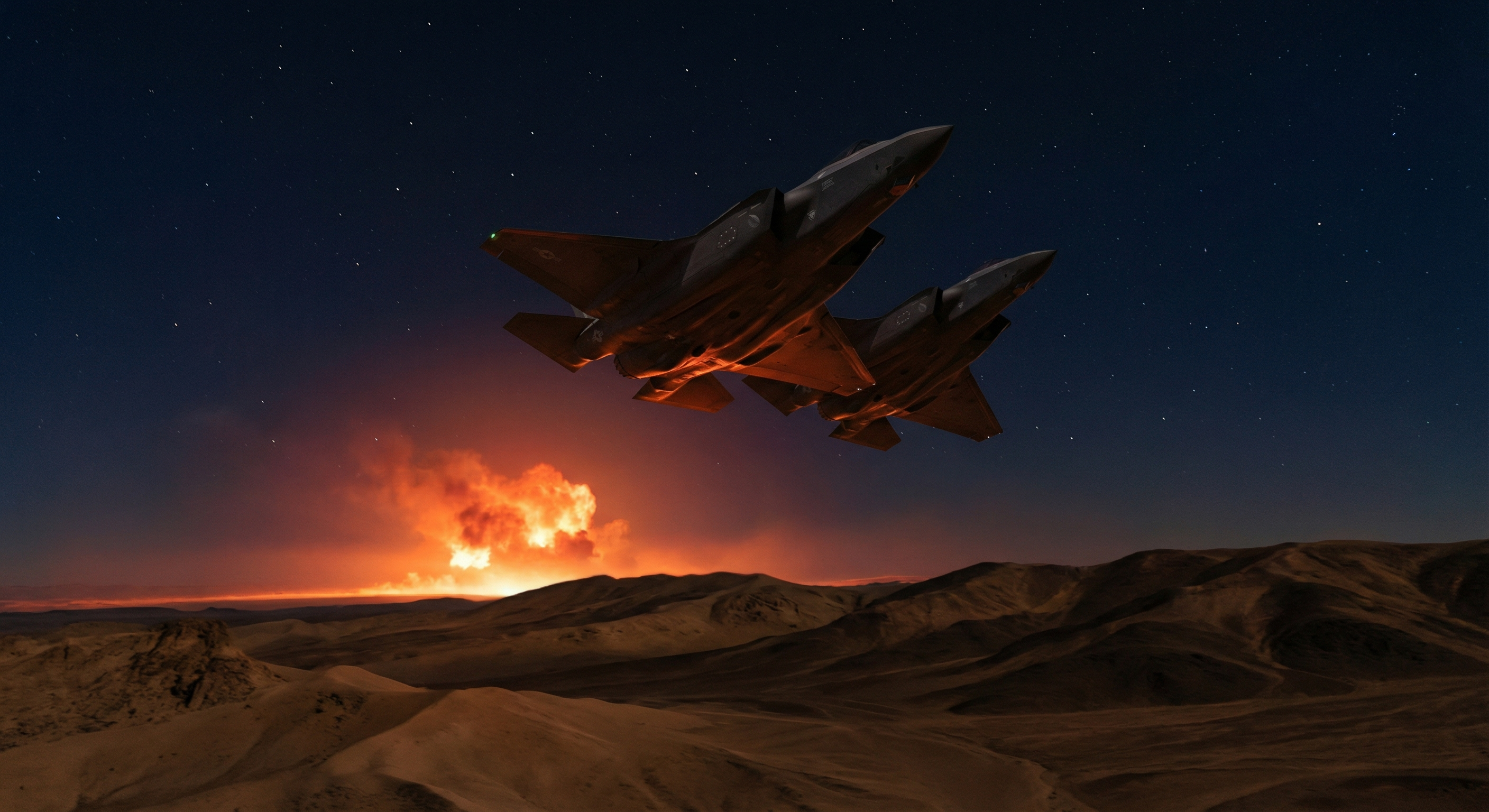
On Friday, February 27, President Trump announced the federal government would no longer use Anthropic's Claude AI — with a six-month phase-out window for the Pentagon. Less than 24 hours later, on Saturday February 28, joint U.S.-Israeli strikes began against Iranian nuclear and military facilities. And embedded in the intelligence, targeting, and battle simulation infrastructure supporting those strikes was Claude, running via Palantir on classified military networks.
The irony is almost too on-the-nose. The AI system Trump had just banned was, at that very moment, helping plan one of the most consequential U.S. military operations in recent years. Military analysts say they were not surprised. The more revealing question is why — and what it tells us about the future of AI in warfare.
What Claude Was Doing During the Iran Strikes
Reporting from the Wall Street Journal and Axios, confirmed by multiple defense officials speaking on background, indicates that Claude was deployed across at least three operational domains during the Iran operation.
Intelligence analysis: Claude processed and synthesized signals intelligence, imagery analysis, and open-source intelligence feeds at a speed and scale that human analysts cannot match. The model helped identify patterns in Iranian air defense positioning, communications intercept data, and facility status across dozens of potential target sets.
Target selection support: Claude was used to run comparative analysis of target packages — evaluating the military significance of specific facilities against expected collateral effects, hardened infrastructure assessments, and secondary consequence modeling. Human commanders made final decisions; Claude structured and accelerated the analytical pipeline feeding those decisions.
Battlefield simulations: Before the strikes commenced, military planners ran hundreds of scenario simulations using Claude's reasoning capabilities — modeling Iranian response vectors, missile defense system responses, coalition force positioning, and escalation pathways. This type of rapid scenario generation, historically requiring teams of analysts working over days, compressed the planning timeline dramatically.
Why You Can't Just Unplug AI From a War
The apparent paradox — a banned AI system running active military operations — has a straightforward operational explanation: you cannot strip a deeply integrated system out of a running military enterprise overnight, or even in six months, without serious operational risk.
Claude was not some API call bolted onto a peripheral system. Through the Palantir AIP (Artificial Intelligence Platform) integration, Claude's capabilities are woven into the intelligence processing, targeting workflow, and decision-support architecture across multiple combatant commands. These integrations were built, tested, validated, and certified over the course of Anthropic's $200 million DoD contract. Yanking them mid-operation would be operationally reckless, legally complicated, and technically impractical on any timeline shorter than the six-month phase-out Trump's order included.
Pentagon officials, briefed on the reporting, declined to confirm or deny specific AI systems in use during the Iran strikes, a standard response for classified military operations. But multiple senior defense officials told the WSJ that the use of Palantir-mediated AI tools, including Claude, in intelligence and planning operations was continuous through the period in question, and that the Trump order had not resulted in any operational cessation during the strike window.
The Deeper Revelation: AI Is Now Load-Bearing Military Infrastructure
Beyond the immediate irony, the Iran strike episode reveals something more significant about the state of AI in U.S. military operations: it has moved from experimental to load-bearing.
There was a time — as recently as 2023 — when AI tools in military contexts were described as "decision support" — adjuncts to human analytical processes that could be suspended without disrupting core operations. The Iran scenario demolishes that framing. When a presidential directive banning a specific AI system cannot be implemented within the operational timeline of an active strike package, that system has become foundational infrastructure.
This has profound implications beyond the immediate Anthropic conflict. It means that the question of which AI systems the military relies on — and under what behavioral constraints — is no longer merely a procurement decision. It is a strategic commitment with operational consequences. Switching AI vendors mid-campaign is, at some threshold of integration, as disruptive as switching weapons platforms mid-deployment.
That reality changes the negotiating dynamics for every AI company with military ambitions. Once embedded at sufficient depth, you have leverage. You also have accountability.
Implications for AI in Warfare
The Iran strikes mark what may be the clearest public example to date of AI playing a central role in a major military operation. The implications extend well beyond the Anthropic policy dispute.
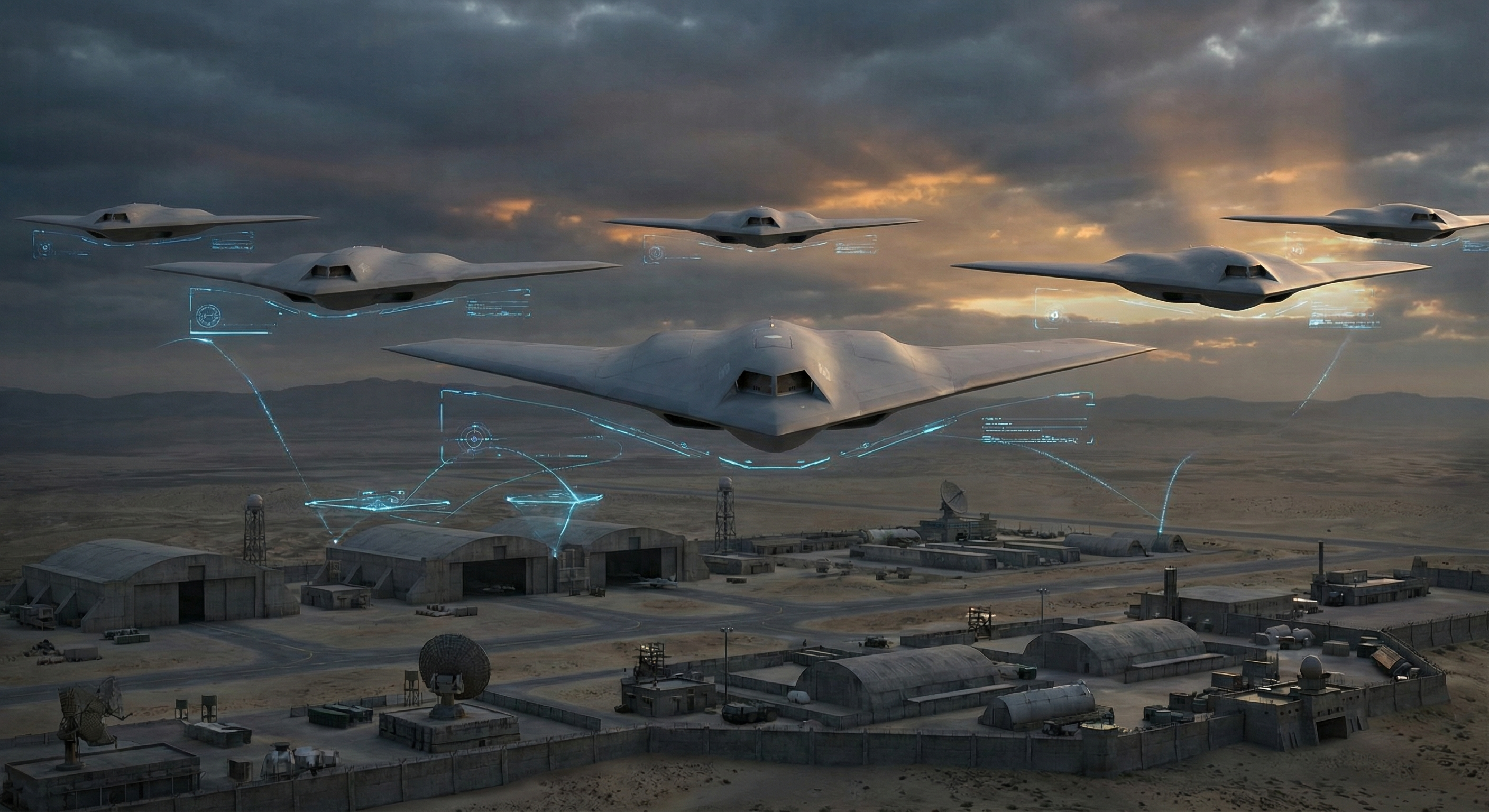
Speed compression: AI systems like Claude dramatically accelerate the decision cycle — the intelligence-to-targeting-to-strike timeline. Historically, operations of the complexity of the Iran strikes required days of analytical preparation. AI-assisted processing compresses that timeline while maintaining (or expanding) the analytical depth. This changes the tempo of modern warfare in ways that military theorists are still working to fully articulate.
The human-in-the-loop question: One of Anthropic's core objections to Pentagon demands was the request to remove guardrails ensuring human oversight at key decision points. The Iran operation, as described by reporting, maintained human commanders at final decision authority. But the volume, speed, and complexity of AI-generated analysis feeding those decisions raises genuine questions about how meaningful that human oversight is in practice. When a commander is choosing between AI-generated target packages, each supported by machine-speed analysis they cannot fully audit, is that meaningful human control?
Escalation risk: The speed that AI enables also compresses the time available for diplomatic off-ramps. If AI tools can generate a strike package faster than diplomatic communication channels can process a message, the structural bias of AI-assisted warfare may be toward action over de-escalation.
Accountability gaps: When Claude — produced by a company that has now been banned from government work — plays a role in a military strike, who is accountable for decisions shaped by its analysis? The legal and ethical frameworks for AI-assisted military operations have not kept pace with the operational reality.
What Happens to the Anthropic Relationship Now?
The six-month phase-out window exists precisely because military leadership understood that an immediate severance would create the kind of operational discontinuity the Iran episode illustrates. The question is what happens at the end of that window — or whether the window survives contact with operational reality at all.
Legal challenges to the supply chain risk designation are expected. Constitutional scholars have noted that the designation's application to a U.S. company based solely on its AI model's behavioral parameters is legally unprecedented and likely vulnerable. If Anthropic secures a preliminary injunction before the six months elapse, the "ban" may prove significantly less absolute than Trump's Truth Social post suggested.
Meanwhile, xAI and OpenAI continue positioning for the contracts that Anthropic's exclusion opens. Neither has been asked to provide military AI without behavioral guardrails — yet. The moment when that ask arrives, the choices each company makes will determine whether the Anthropic standoff was an isolated incident or the beginning of a pattern that defines the relationship between AI safety and national security for the next generation.
The military used the AI they had, not the AI they were supposed to have. That gap between policy and operational reality is where the most consequential decisions about AI and warfare are actually being made.
This is Part 3 of a 3-part series. Start from the beginning: Anthropic vs. the Pentagon: Inside the AI Safety Showdown Reshaping U.S. Military Tech. And: Trump Orders Federal Ban on Anthropic AI After Company Defies Pentagon Demands.