The Leak: What We Know (And Why It's Raising Eyebrows)
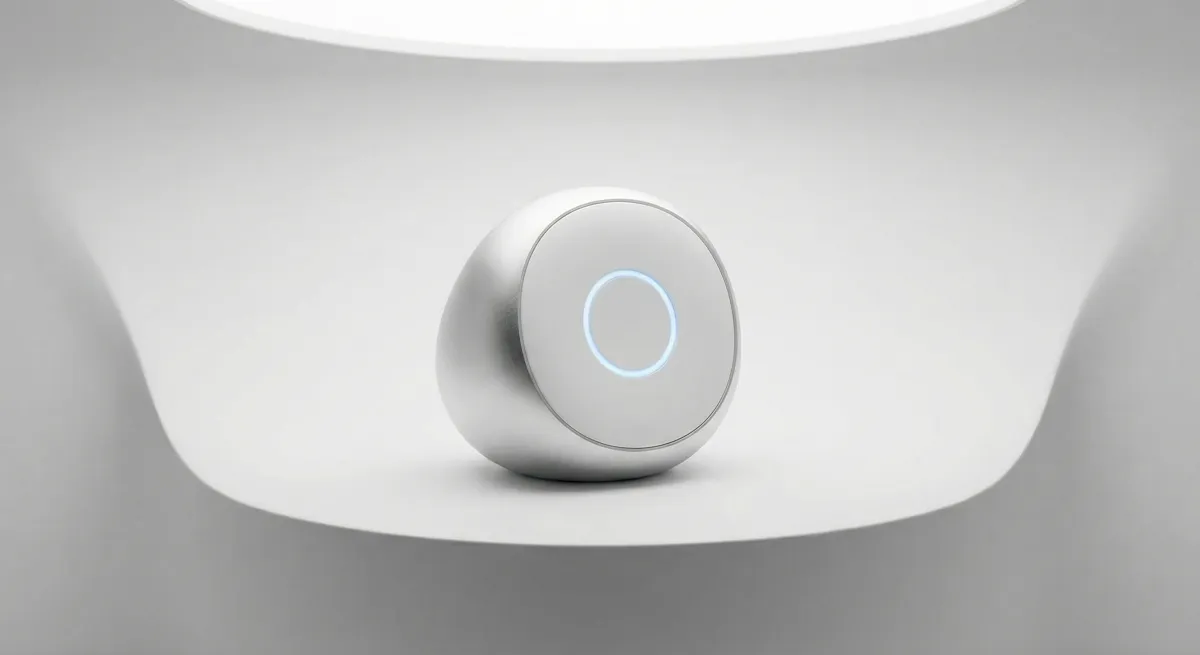
In a world increasingly accustomed to sleek, intuitive technology, the recent leak of what is rumored to be OpenAI's foray into dedicated consumer hardware has sent ripples through the tech community—and not entirely for the reasons one might expect. Far from the revolutionary aesthetic anticipated by many, early glimpses suggest a device that, while undoubtedly powerful under the hood, presents a design ethos that has been widely described as... "cringeworthy."
While details remain scarce and unconfirmed by OpenAI, the leaked images and specifications point to a device prioritizing raw AI processing capability over refined user experience or visual appeal. This has sparked a vital conversation: what does it truly take to stuff an advanced AI chatbot into a consumer electronics device and make it something people genuinely want to use, rather than merely tolerate?
The Consumer AI Hardware Conundrum
The journey from sophisticated AI model to a compelling consumer product is fraught with challenges. Companies like Humane with its AI Pin and Rabbit with its R1 have attempted to bridge this gap, each facing their own set of hurdles in usability, practicality, and adoption. The core issue lies in the fundamental difference between a powerful, versatile AI algorithm and a device that integrates seamlessly into daily life without adding friction.
- Form Factor vs. Function: How do you design a device that is both aesthetically pleasing and robust enough to handle complex AI tasks, often requiring significant computational resources?
- Intuitive Interaction: Voice interfaces, while improving, still present limitations. How do users interact naturally and efficiently with an AI device without resorting to awkward prompts or complex menus?
- Battery Life & Portability: High-performance AI chips consume considerable power. Balancing this with the need for all-day battery life in a portable form factor is a monumental engineering feat.
- Privacy & Trust: A dedicated AI device is, by its nature, deeply embedded in a user's personal data and interactions. Building trust and ensuring robust privacy protections are paramount.
OpenAI's Approach: A Focus on Intelligence, Perhaps Less on Elegance?
If the leaks are accurate, OpenAI's strategy appears to diverge from the "less is more" design philosophy often embraced by consumer electronics giants. It suggests a focus on showcasing the sheer power of their language models and other AI capabilities, perhaps at the expense of a polished, consumer-ready exterior. This isn't necessarily a flaw, but rather a strategic decision that speaks volumes about their immediate goals.
Could this be a developer-centric device, a prototype designed to push the boundaries of what's possible rather than what's immediately marketable? Or is it a bold, albeit unconventional, attempt to redefine what we expect from an AI device, emphasizing raw intelligence over conventional appeal?
The Path Forward: From Cringe to Breakthrough
Regardless of the initial reactions, OpenAI's rumored hardware venture underscores a critical phase in the evolution of AI. The "cringe" factor, while amusing, highlights the immense gap that still exists between cutting-edge AI research and its graceful integration into the consumer market. It serves as a stark reminder that innovation in AI hardware isn't just about faster chips or more efficient algorithms; it's about human-centric design, seamless interaction, and a deep understanding of user needs.
The companies that will ultimately succeed in this space will be those that can not only build powerful AI but also package it in a way that is intuitive, desirable, and genuinely enhances daily life, rather than complicating it. The leaked OpenAI device, in its rumored awkwardness, might just be the wake-up call the industry needs to focus on holistic product development for the age of AI.