On Monday, March 16, Jensen Huang takes the stage at the SAP Center in San Jose before 30,000 attendees from 190 countries — and for the first time in NVIDIA's history, he arrives with two hardware generations to unveil simultaneously. The Vera Rubin GPU platform gets its full technical showcase. But the keynote's real narrative is the completion of NVIDIA's AI stack: a $20 billion integration of Groq's dataflow inference architecture gives the company a credible answer to the token-speed problem it did not previously own. With Morgan Stanley warning of an imminent AI intelligence explosion, GTC 2026 is shaping up to be the most consequential GPU conference in a decade.
The Rubin Platform: Specs That Redefine the Ceiling
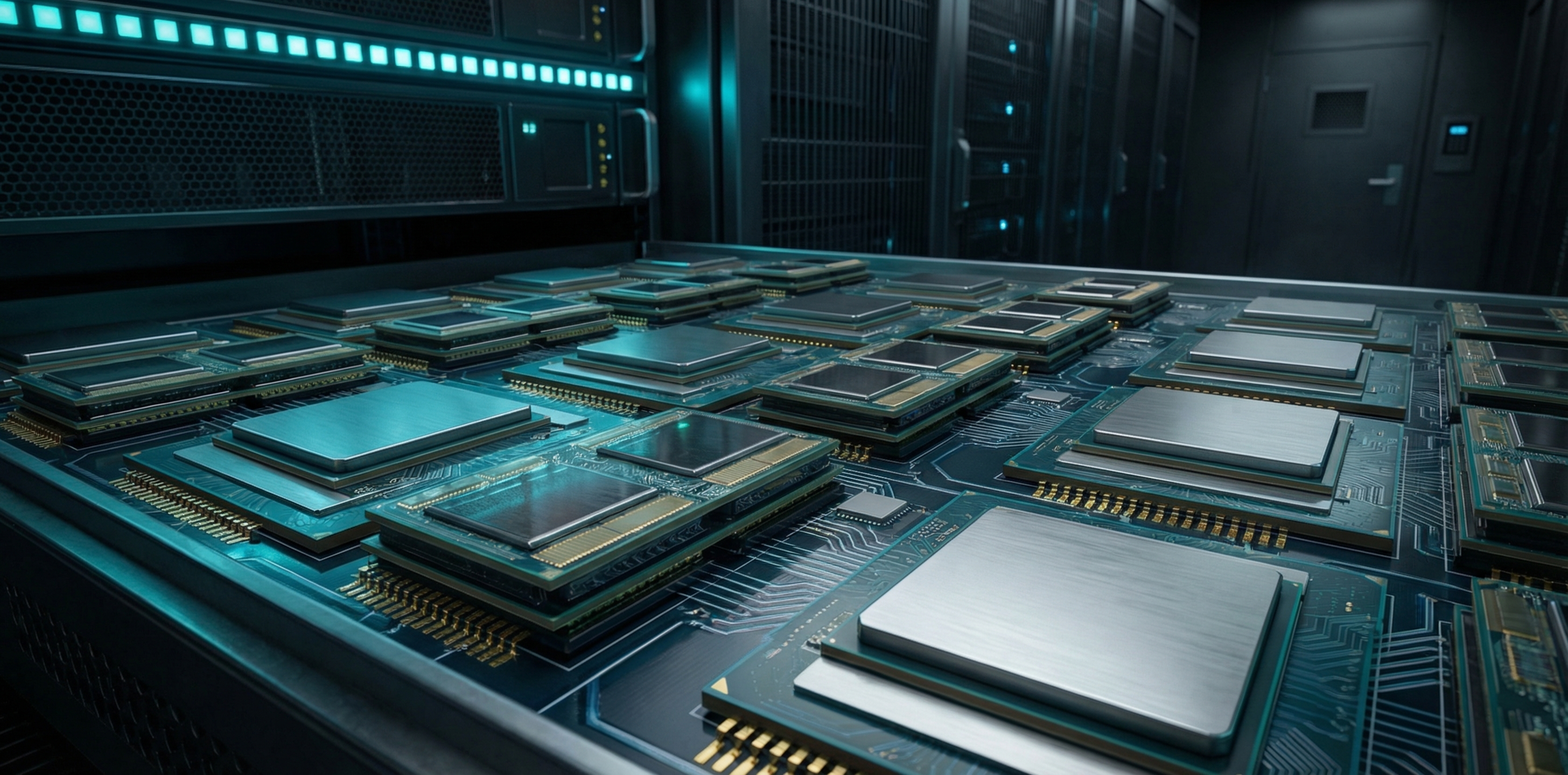
The Vera Rubin GPU's specifications, now confirmed by multiple sources, are extraordinary by any prior benchmark. Each GPU carries 288GB of HBM4 memory with 22 TB/s of memory bandwidth — delivering 50 petaFLOPS of NVFP4 inference performance and 35 petaFLOPS of training performance per chip. That represents a roughly 5x inference improvement over Blackwell and a 3.5x training improvement, while cutting the number of GPUs needed for mixture-of-experts training by a factor of four. Cost per token at massive scale drops by approximately 10x compared to Blackwell.
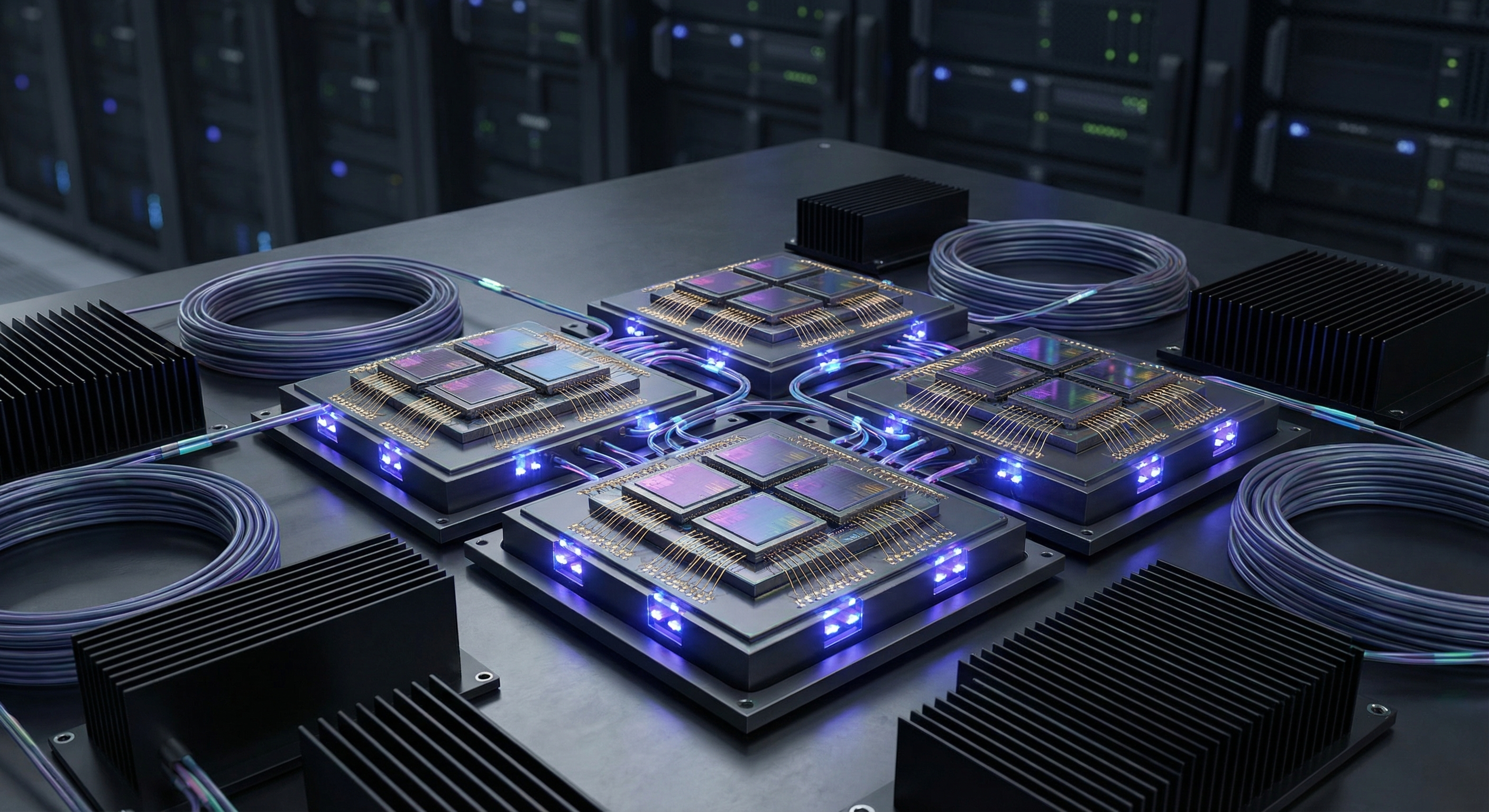
At the rack level, the numbers scale accordingly. The NVL72 configuration packs 72 Rubin GPUs alongside 36 Vera CPUs into a single rack, delivering 3.6 exaFLOPS of inference and 2.5 exaFLOPS of training performance. Total memory across the rack reaches 20.7 TB of HBM4, with 1.6 PB/s of internal bandwidth via NVLink 6. An Inference Context Memory Storage tier — managed through BlueField-4 DPUs — enables KV-cache state to be shared across racks, a critical capability for the million-token context windows that frontier models increasingly require.
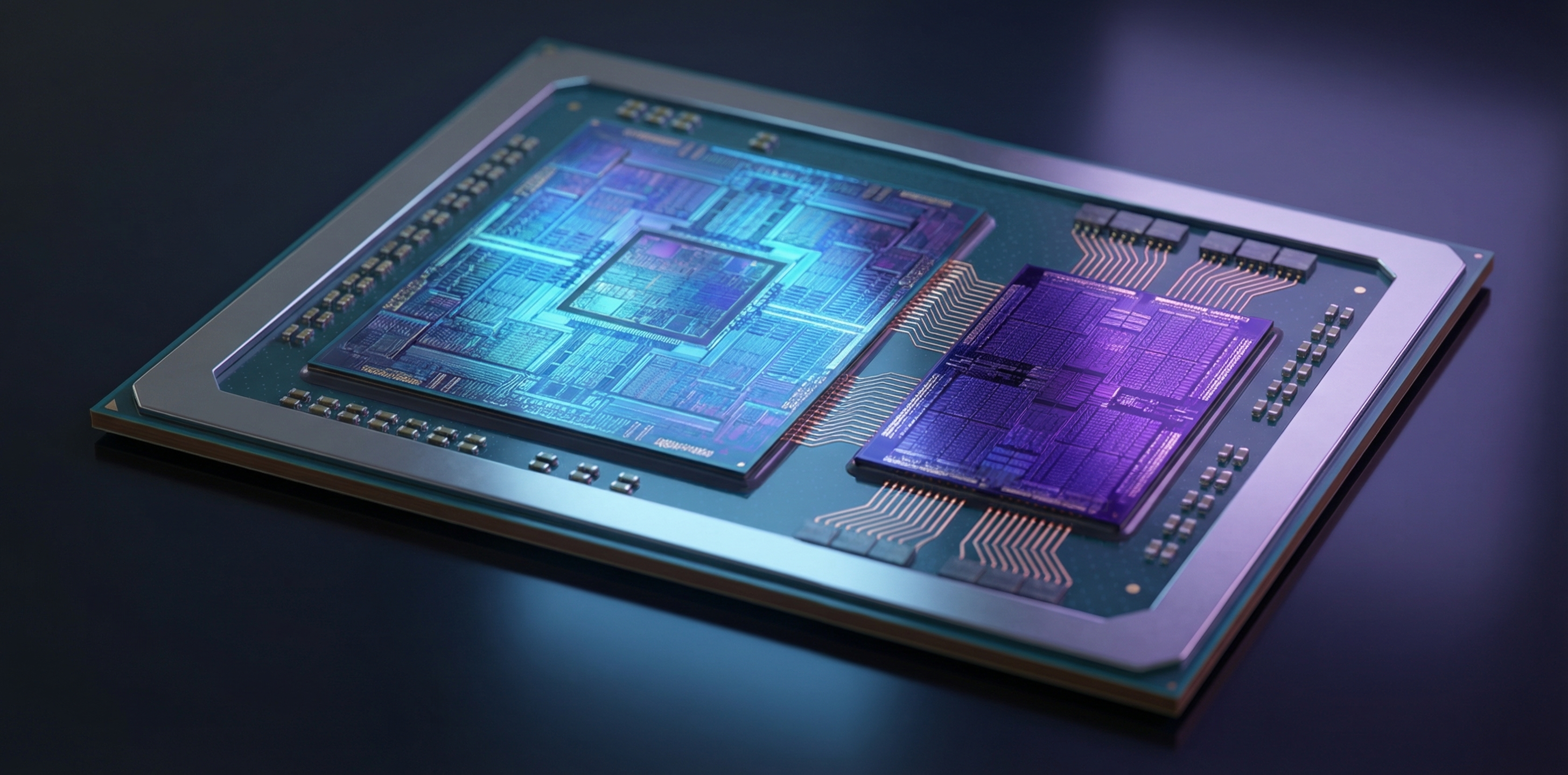
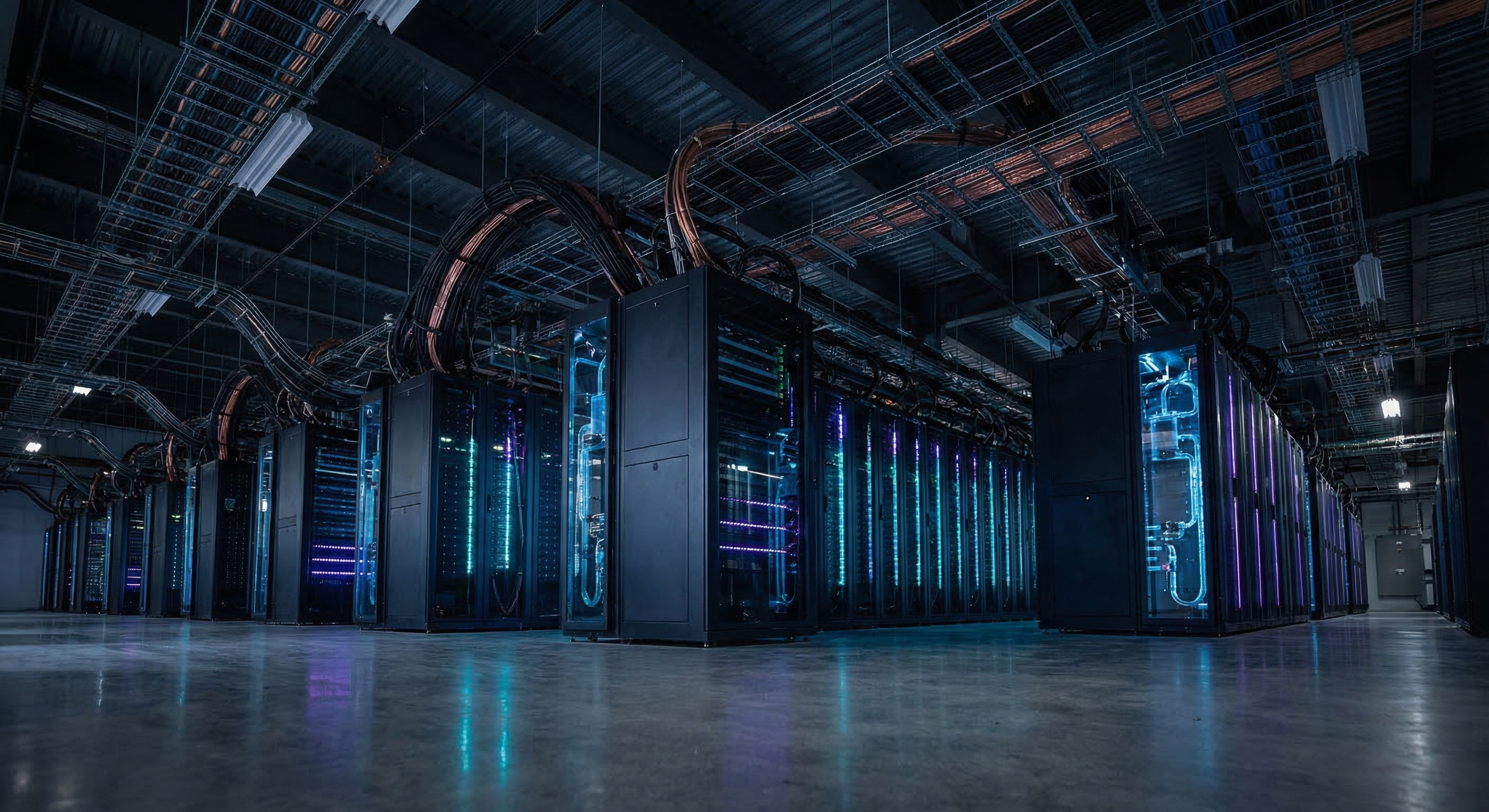
The Rubin platform is built around six co-designed chips: the Vera CPU, the Rubin GPU, NVLink 6, the ConnectX-9 SuperNIC, the BlueField-4 DPU, and the Spectrum-6 Ethernet switch. The thermal design power of each Rubin GPU runs to approximately 1.8kW, making liquid cooling not optional but mandatory — a fact that reshapes data center infrastructure planning for every operator on Rubin's deployment list, which includes AWS, Azure, Google Cloud, and CoreWeave. Jensen Huang stated at CES: "Vera Rubin is in full production."
The Groq Play: Solving the Inference Latency Gap NVIDIA Didn't Own
Training workloads have never been NVIDIA's weak point. But the rise of agentic AI and real-time AI applications exposed a structural gap: GPU architectures optimize for throughput, not for the low-latency, high-interactivity token generation that agents and live applications demand. Cerebras and Groq — operating on SRAM-heavy, non-GPU dataflow architectures — demonstrated the gap starkly, with inference speeds of 500 to 1,000+ tokens per second that GPU-based systems couldn't match at comparable cost points.
Cerebras exploited this gap commercially in early 2026, winning OpenAI's Codex inference contract precisely because token speed determined product quality. NVIDIA did not have the architecture to compete. The $20 billion acquisition of Groq's IP and team in December 2025 was the direct response — and GTC 2026 is where the integration becomes product.
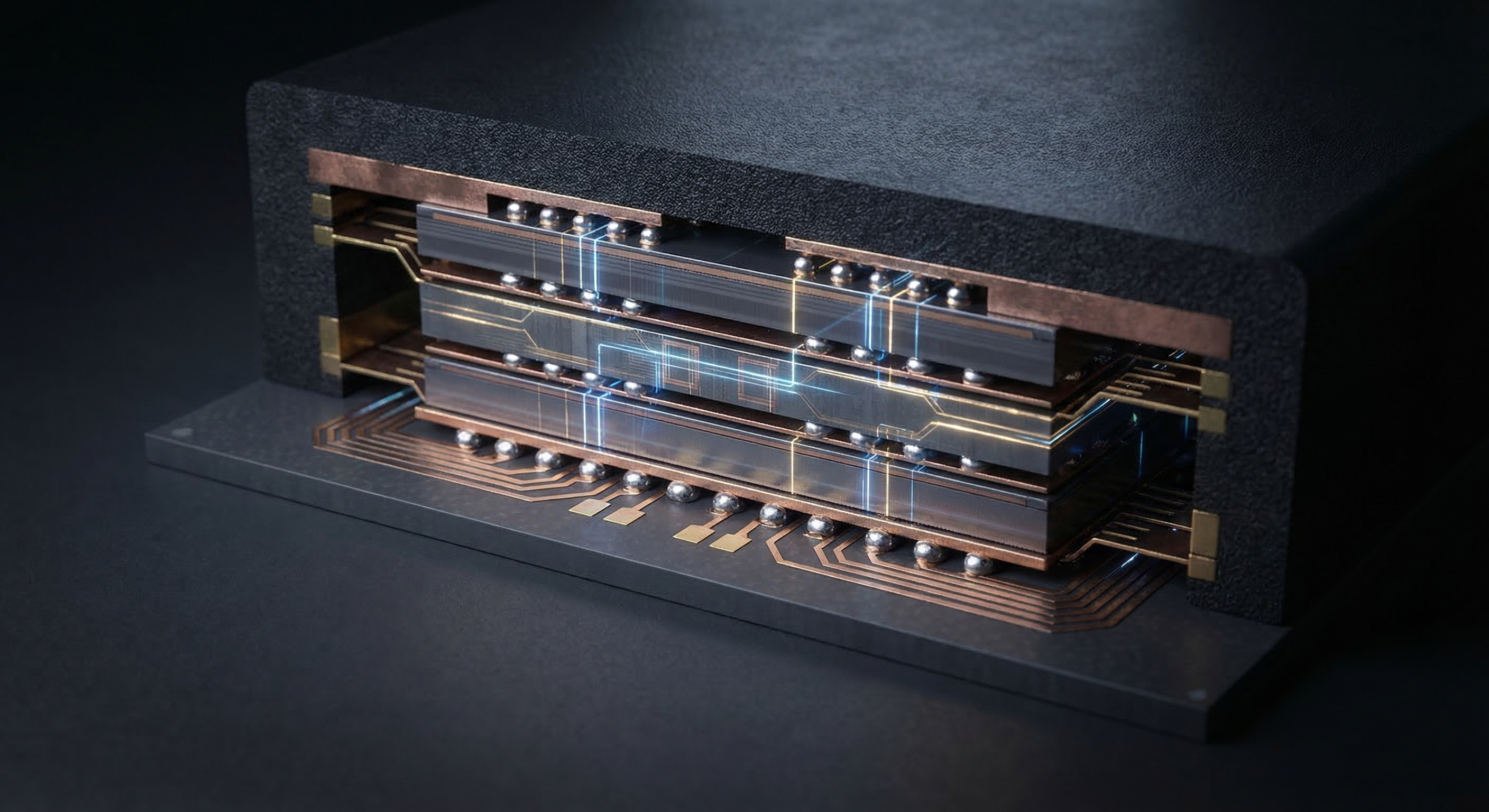
What the industry expects to see Monday: NVIDIA announces a unified inference stack that supports both the standard GPU-based Rubin architecture for training and bulk inference, and a Groq-derived dataflow accelerator optimized for agentic, low-latency workloads. The strategic outcome is a single vendor covering the full range of AI compute — from foundational model training at the scale of thousands of GPUs to real-time inference for interactive agents that demand sub-second response. This is a capability gap NVIDIA has not previously been able to claim.
The Groq acquisition was widely read as a defensive move. GTC 2026 is where Huang reframes it as a platform completion.
The Vera CPU: NVIDIA Enters the Server CPU Market
For the first time, NVIDIA is shipping a general-purpose server CPU designed to compete independently of its GPU lineup. The Vera CPU carries 88 custom Arm cores with simultaneous multithreading and confidential computing features previously available only on x86 platforms. It is available as a standalone part — not solely as a companion die in the NVL72 rack — which puts it directly in competition with Intel Xeon and AMD EPYC for certain workloads.
Meta has already confirmed it is the first partner to deploy Grace CPUs at scale and is actively evaluating the Vera CPU for future data center deployments. The implication is significant: NVIDIA is no longer an accelerator company that borrows host CPUs from Intel or AMD. It now owns the full compute stack — CPU, GPU, interconnect, networking, and storage management — integrated and co-designed from the ground up for AI workloads.
The Roadmap: Kyber in 2027, Feynman Expected
One of Huang's consistent strategic moves is announcing hardware roadmaps years ahead — forcing the entire data center industry to provision power, cooling, and physical space before the silicon ships. At GTC 2025, he previewed Kyber: a 2027 rack platform targeting 600kW per rack with 144 GPU sockets, each carrying four Rubin Ultra dies. At GTC 2026, the industry expects a similar preview of Feynman, NVIDIA's 2028 platform, likely targeting racks exceeding 1MW of power draw.
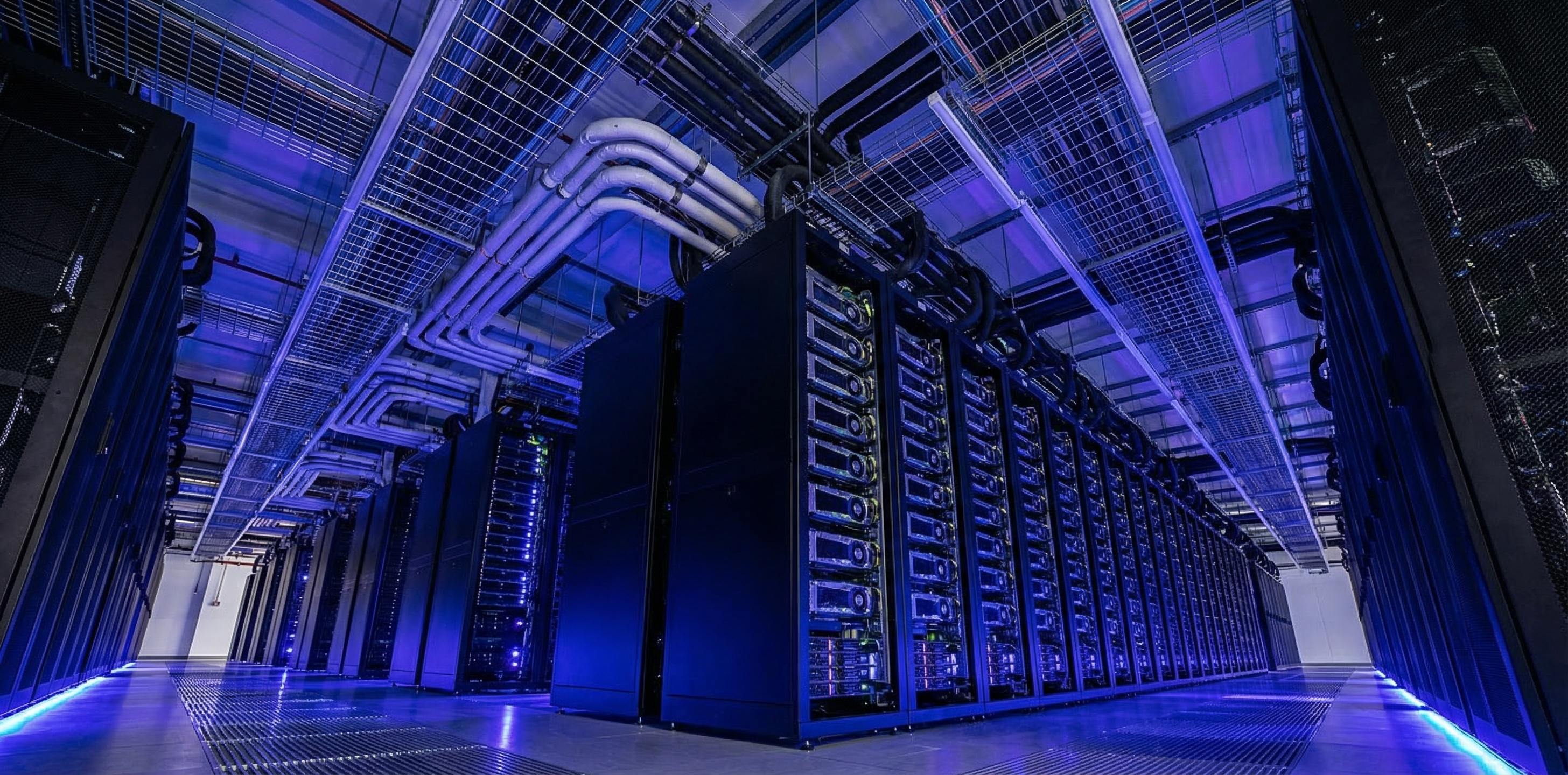
The numbers reveal a trajectory that goes beyond Moore's Law — this is Moore's Law rewritten as a power curve. Rubin today sits at roughly 1.8kW per GPU across a ~130kW NVL72 rack. Kyber at 600kW per rack represents a near 5x jump in rack-level power within 12 months. Every data center operator that plans to run these systems must provision liquid cooling infrastructure and grid connections years in advance. The early roadmap announcement is not just marketing — it is supply chain coordination at a scale no other company in the industry can orchestrate.
Physical AI, Robotics, and the Agentic Layer
GTC has always been broader than a GPU conference. This year's 700+ sessions span Physical AI, agentic systems, open models, and robotics. NVIDIA's Isaac platform for robot simulation, the GR00T foundation models for humanoid robots, and the Omniverse digital twin environment all receive updates. Jensen Huang will moderate a panel on open frontier models on March 18, joined by executives from LangChain, Cohere, Perplexity, Mistral, and Black Forest Labs.
The robotics angle connects directly to NVIDIA's broader physical AI stack and to the $950 million wave of robotics investment in the week of March 10–11. GTC 2026's message appears to be that the next frontier is not larger language models running in data centers — it is embodied intelligence running on Rubin and Isaac in factories, warehouses, and hospitals.
The Intelligence Explosion Backdrop
GTC 2026 does not exist in isolation. It arrives against a backdrop that Morgan Stanley's research team describes as an imminent AI intelligence explosion. Their "Intelligence Factory" model — published this week — cites OpenAI's GPT-5.4 "Thinking" scoring 83.0% on GDPVal, a benchmark measuring performance on economically valuable tasks at or above the level of human domain experts. The research projects that recursive self-improvement loops could become viable as early as H1 2027, contingent on hardware availability.
The hardware constraint is real. Morgan Stanley estimates a U.S. power shortfall of 9 to 18 gigawatts through 2028 as demand from AI data centers outpaces grid expansion. Rubin's ~1.8kW TDP per GPU — scaled across thousands of NVL72 racks — is a direct contributor to that shortfall. The same infrastructure buildout that makes the intelligence explosion possible is straining every power grid it touches.
This is the larger frame for Monday's keynote. NVIDIA's hardware is the substrate on which the intelligence curve runs. GTC 2026 is where Huang maps out what the next three years of that substrate look like — in spec, in product, and in power draw.
What to Watch Monday
The keynote streams free at nvidia.com/gtc/keynote beginning March 16 at 11 AM PT, with a pregame show at 8 AM PT. The primary announcements to track: the full Vera Rubin technical disclosure, the official unveiling of the Groq-derived inference accelerator and its integration into the CUDA ecosystem, the Vera CPU standalone product announcement, and — if the roadmap pattern holds — a Feynman preview. Secondary signals: any mention of OpenAI as an inference launch partner, any update on Kyber power specifications, and how aggressively Huang frames the physical AI / robotics roadmap.
The Rubin platform's specifications are extraordinary on paper. The Groq integration is the real story — it closes the one gap in NVIDIA's dominance that Cerebras managed to exploit commercially. GTC 2026 is where NVIDIA attempts to complete its AI stack and reset the competitive baseline for the next hardware cycle. Thirty thousand people in San Jose will be watching. So will the rest of the industry.
This is Part 1 of a 2-part GTC 2026 series. Part 2 — a post-keynote analysis of what Jensen Huang actually announced — will publish after the March 16 keynote.