China’s “AI+” Plan Moves From Model Race to Economy-Scale Deployment
China’s latest five-year blueprint reframes AI competition around deployment speed, compute infrastructure, and industrial integration across the real economy.
Sharp analysis and breaking coverage of AI, semiconductors, data center infrastructure, robotics, and defense technology. No hype — just the insights that matter.
China’s latest five-year blueprint reframes AI competition around deployment speed, compute infrastructure, and industrial integration across the real economy.
Europe’s next AI compliance race is shifting from legal debate to engineering execution as providers scramble to operationalize synthetic-content labeling before August enforcement.
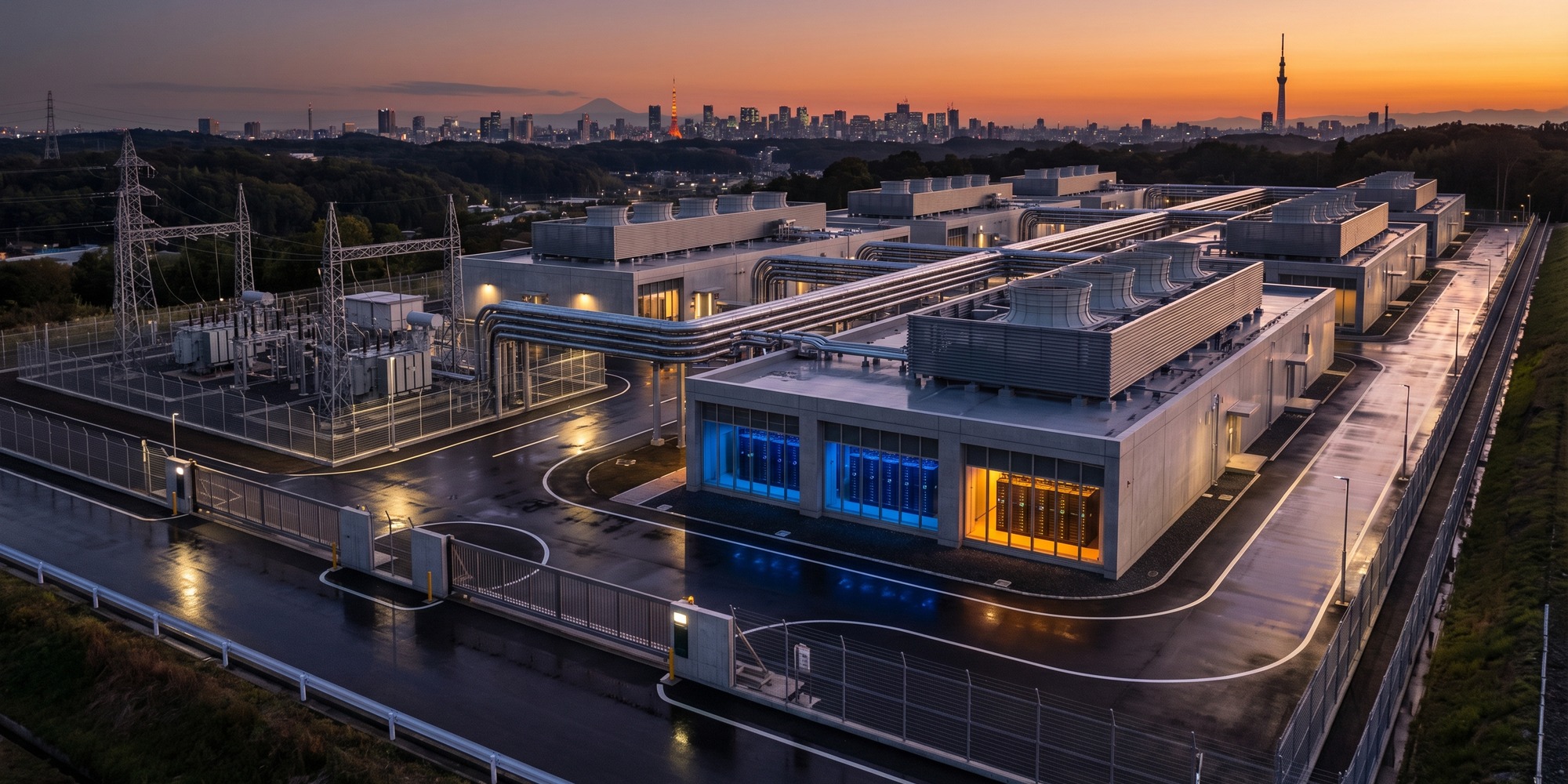
Microsoft’s ¥1.6 trillion commitment to Japan reframes hyperscaler competition around sovereign AI infrastructure, domestic GPU capacity, and cyber-trust architecture.
The hyperscaler quantum race is shifting from qubit-count headlines to error-correction economics, where logical-qubit efficiency decides who ships useful systems first.
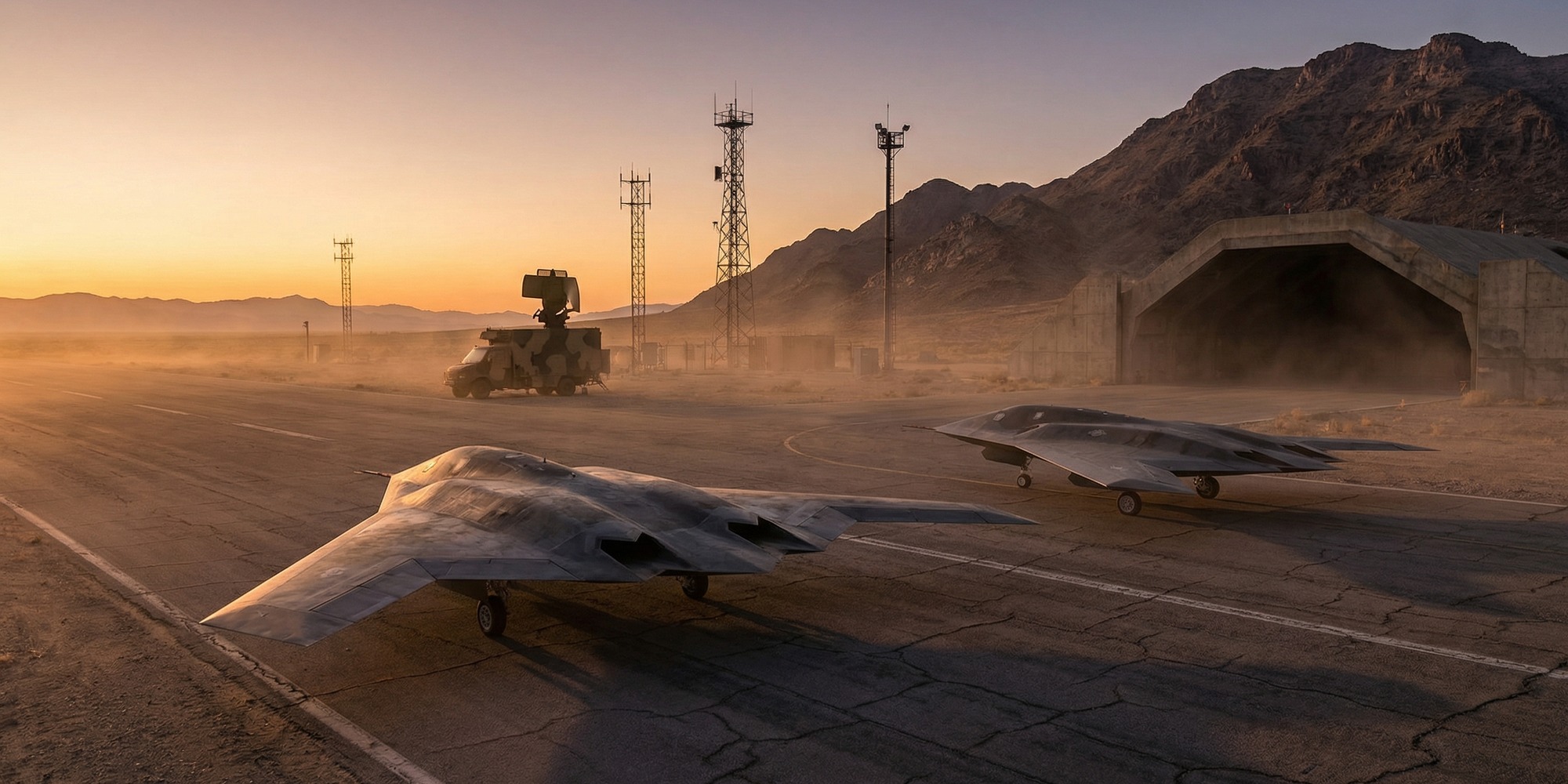
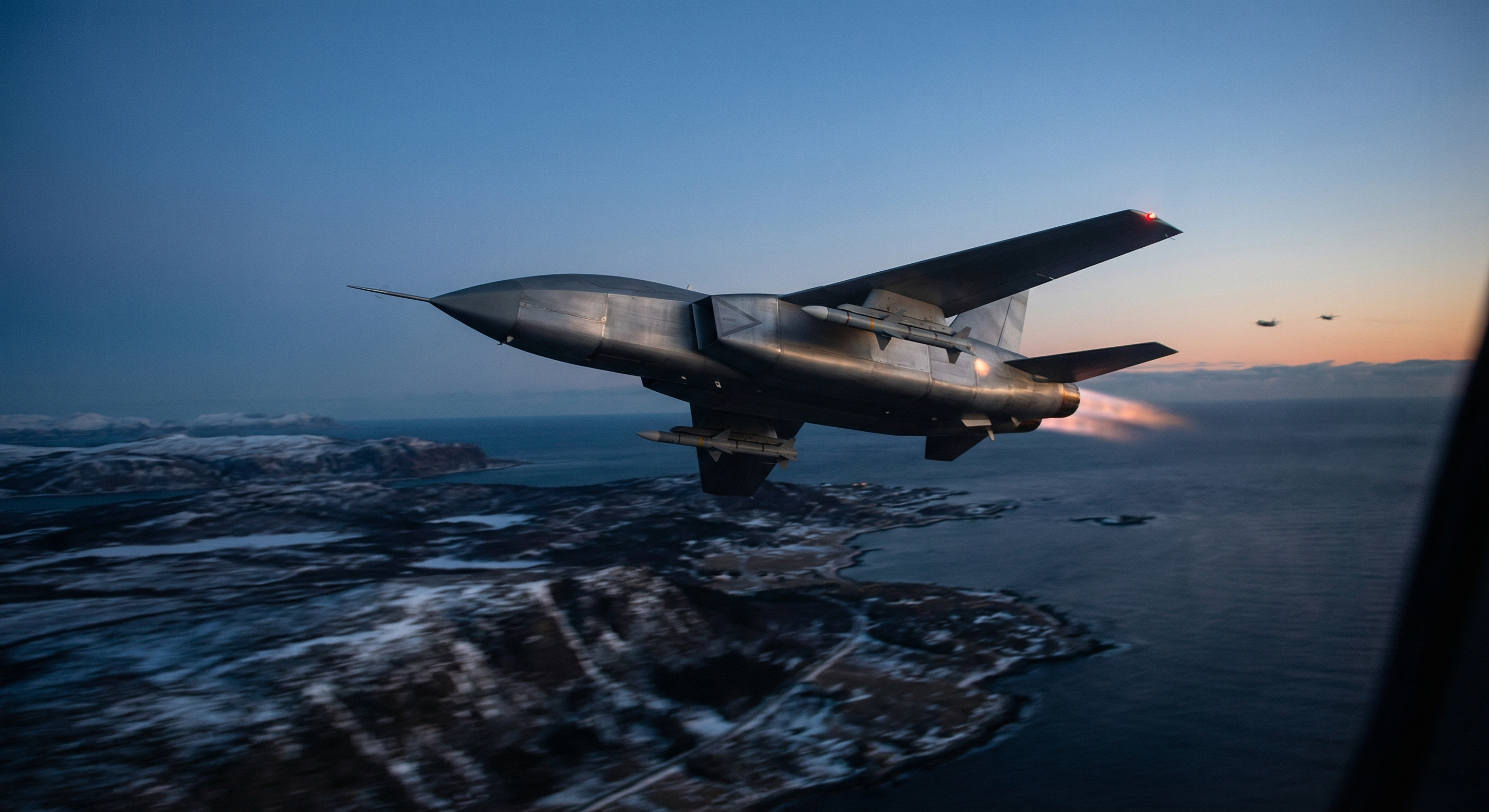
The Air Force's autonomous fighter program has crossed the AI proof point. Now the real race is test tempo, software assurance, and affordable production at scale.
The EU AI Act's 2026 enforcement window is forcing foundation model providers to turn policy promises into auditable systems for risk, copyright, and incident reporting.
IDC data confirms Chinese domestic chipmakers captured 41% of China's AI accelerator market in 2025 — shipping 1.65 million cards — as Huawei leads with 812,000 chips and Nvidia retreats to 55%.
Over 100 Apollo Go robotaxis froze simultaneously on Wuhan's expressways — trapping passengers, disabling SOS buttons, and exposing the fragility of centralized autonomous fleet architecture.
Meta's massive $10 billion data center expansion in El Paso, Texas, is set to become a 1-gigawatt powerhouse, raising questions about energy infrastructure, local impact, and the future of AI-driven data demands.
Trump's PCAST appointments put Jensen Huang, Mark Zuckerberg, and Larry Ellison at the White House table — and pointedly leave out Elon Musk and Sam Altman.
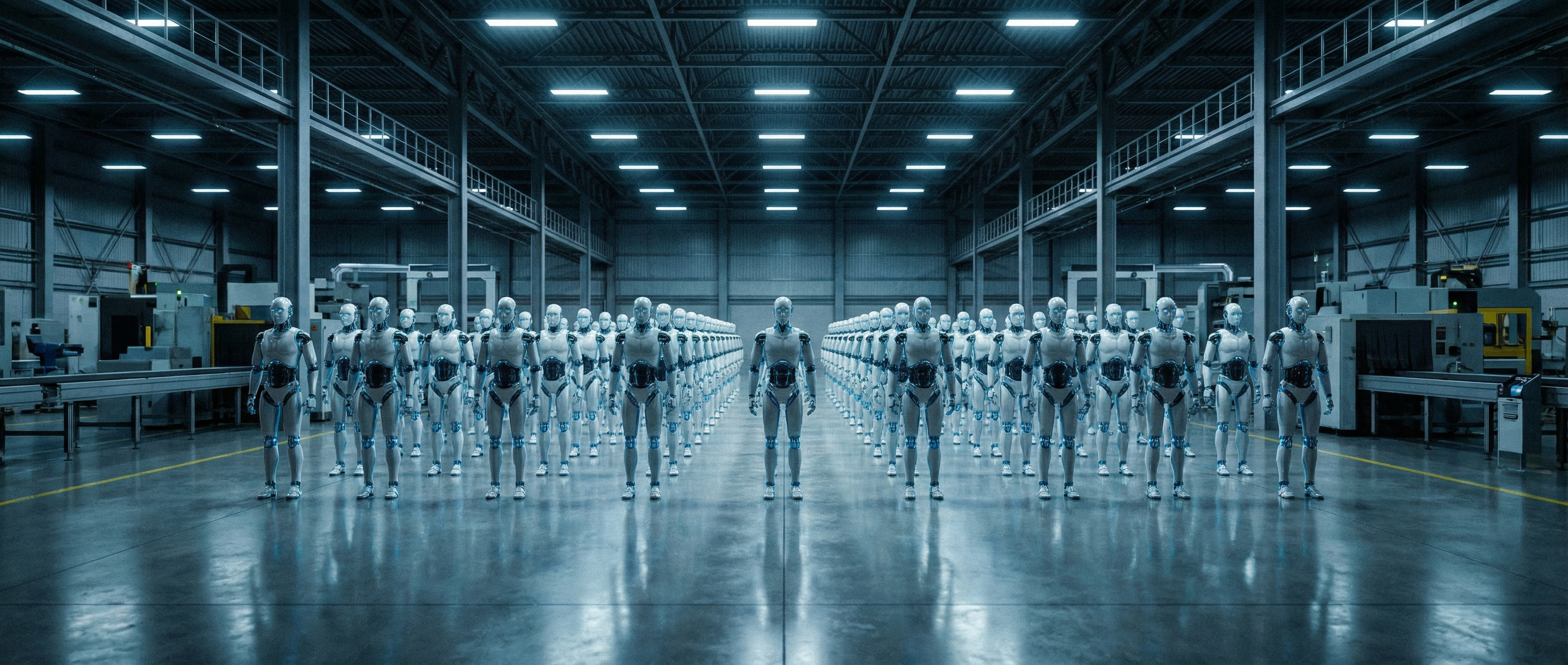
AGIBOT hit 10,000 deployed humanoid robots on March 30 — scaling from 5,000 to 10,000 in just three months. While American firms run BMW pilots with 15 units, China has industrialized the humanoid robot.
Google is deploying 36,000 Ironwood TPU v7 racks this year — with Anthropic locked in for one million chips in a deal worth tens of billions. Here's why the AI hardware map is being redrawn.
Microsoft launched Copilot Cowork to Frontier subscribers — an autonomous AI agent that plans and executes multi-step work across Microsoft 365, powered by Anthropic, OpenAI, and Microsoft models.
Airbus and Frankenburg Technologies completed the first live intercept of a one-way attack drone using a reusable autonomous interceptor and a sub-2kg guided missile — introducing a new cost curve to modern air defense.
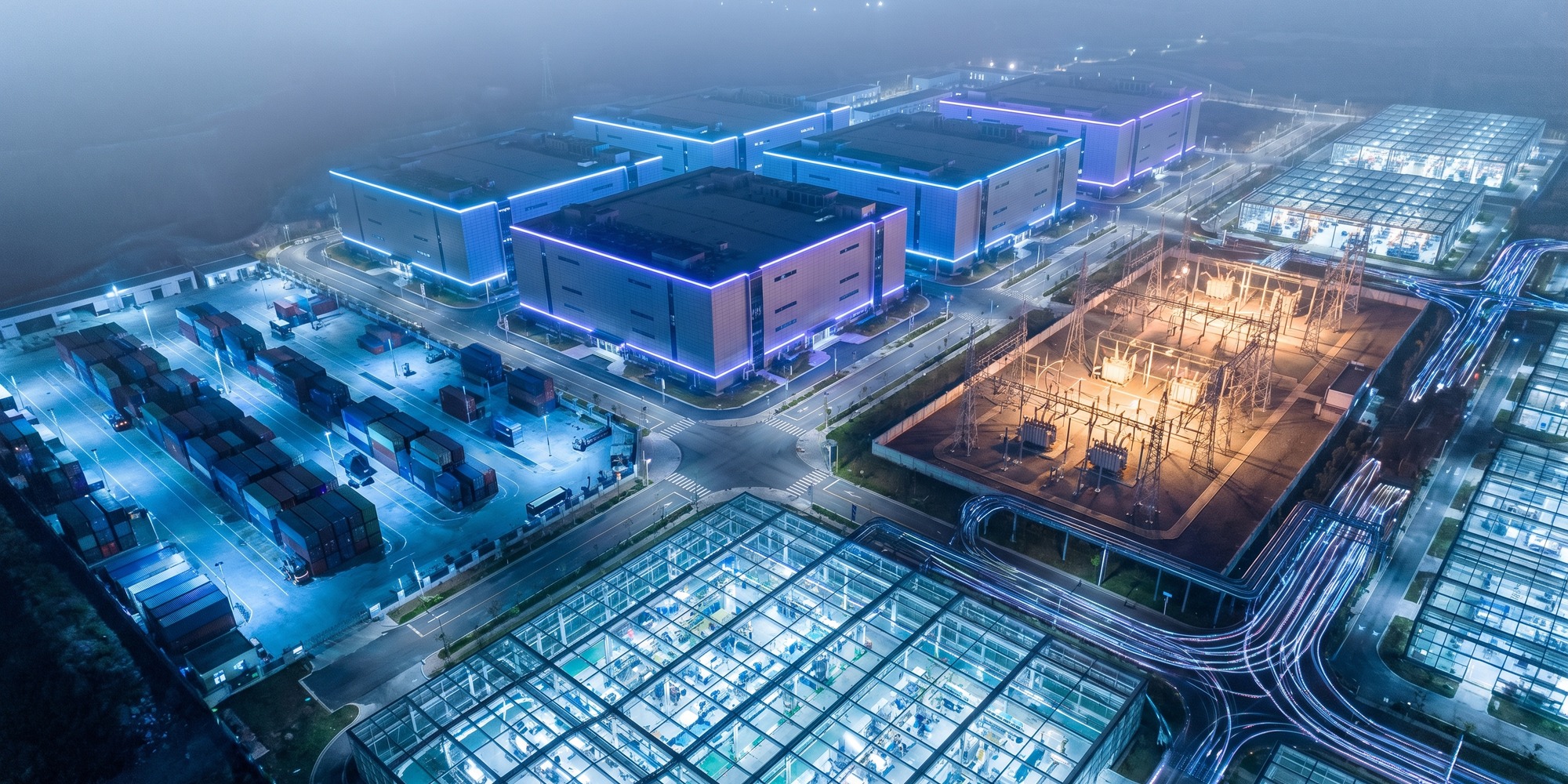
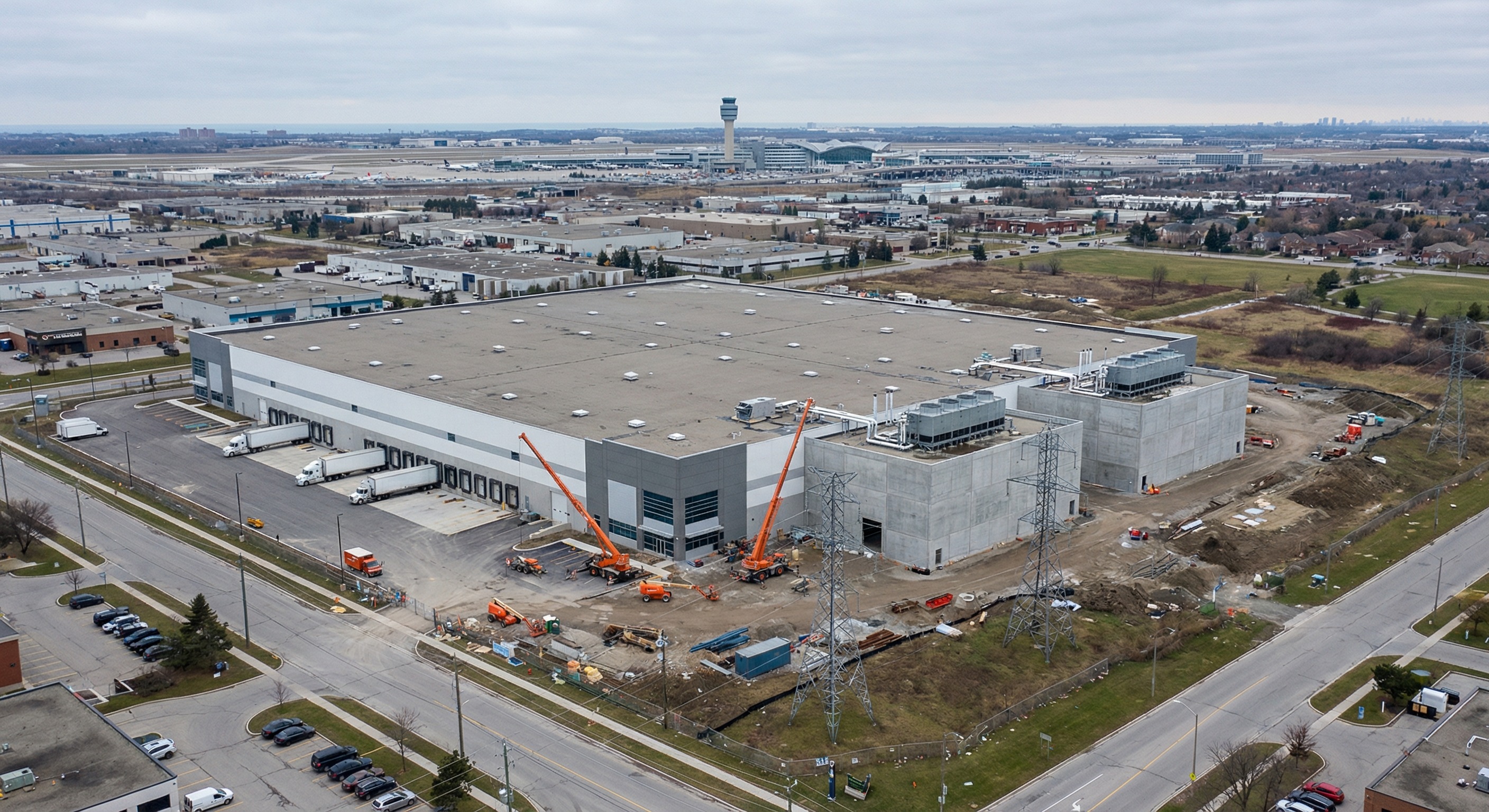
Prologis filed to build a data center campus in Mississauga, Ontario — the leading edge of a structural shift where industrial REITs, railways, and utilities are entering the AI infrastructure race that traditional operators can no longer win alone.
Apple is using Google's Gemini to train smaller on-device AI models via distillation — while building an AI App Store inside Siri for iOS 27. A strategy more durable than the frontier arms race.
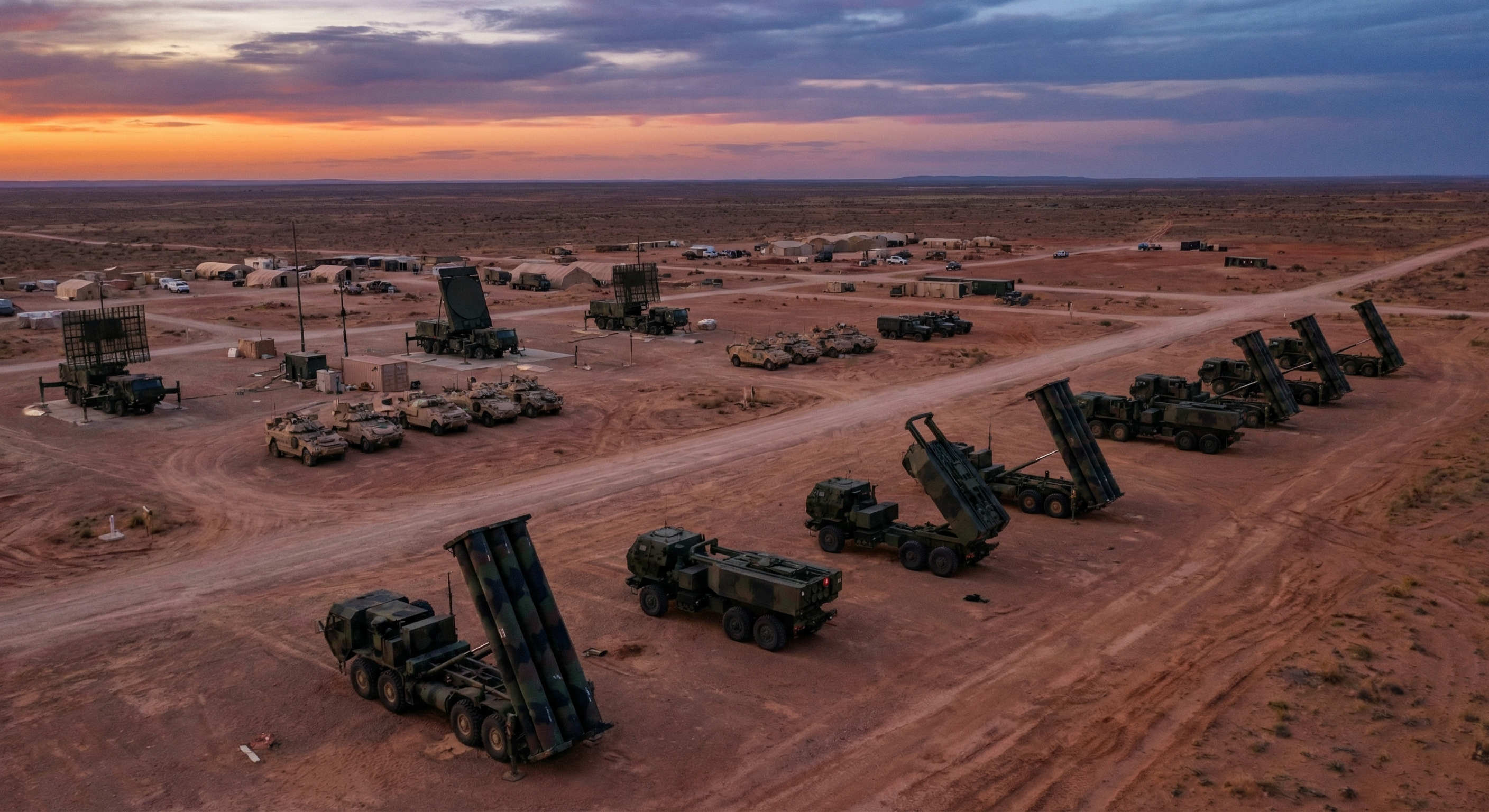
Three weeks after PrSM fired its first shots over Iran, the Pentagon signed deals with Lockheed Martin, BAE Systems, and Honeywell to quadruple PrSM and THAAD production — placing the defense industrial base on a wartime footing.
Foundation models, agentic systems, enterprise AI adoption, and the research frontier.
GPUs, custom silicon, semiconductor manufacturing, and the chip ecosystem powering AI.
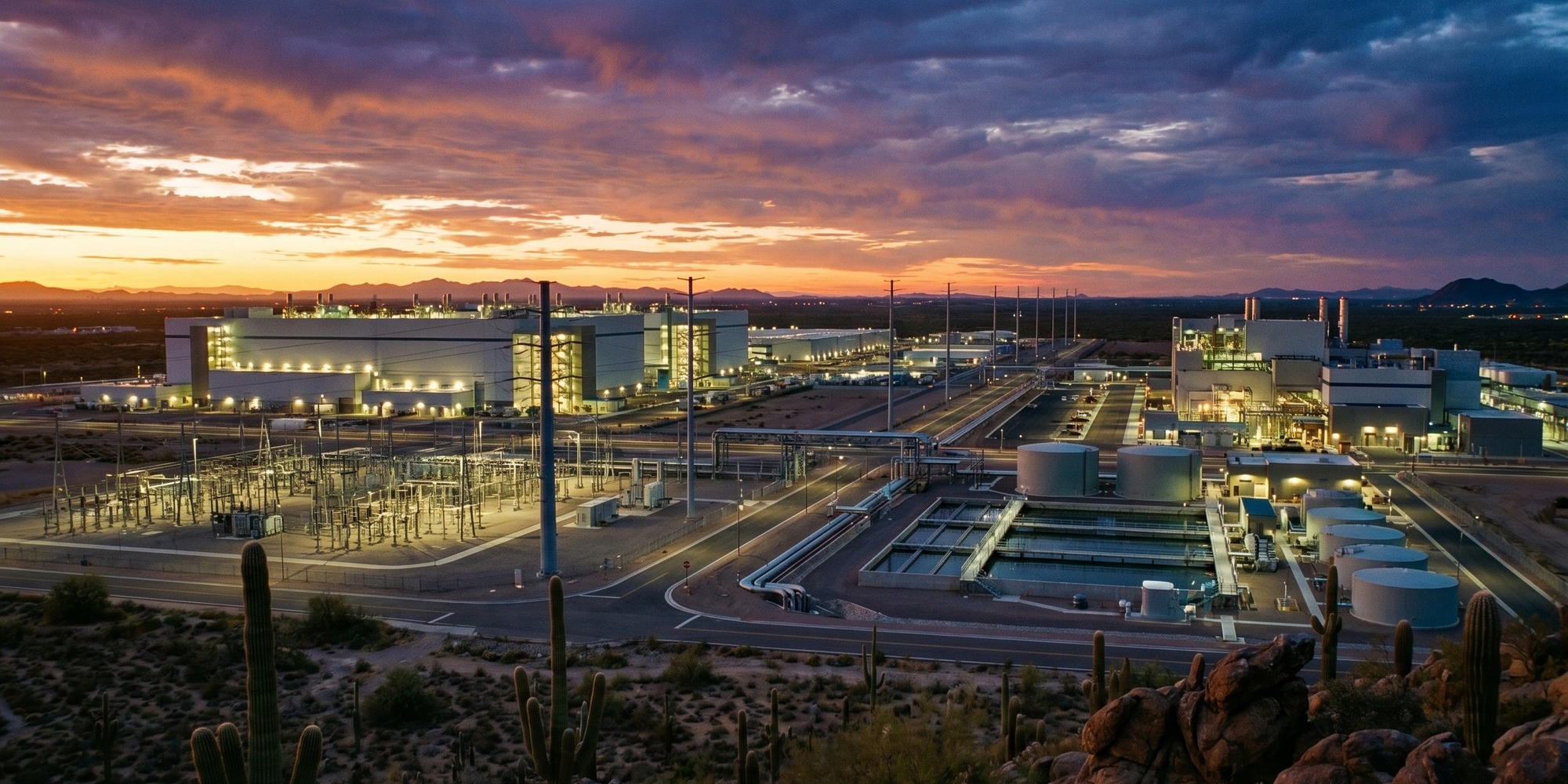
Hyperscaler expansion, power infrastructure, cooling innovation, and proptech.
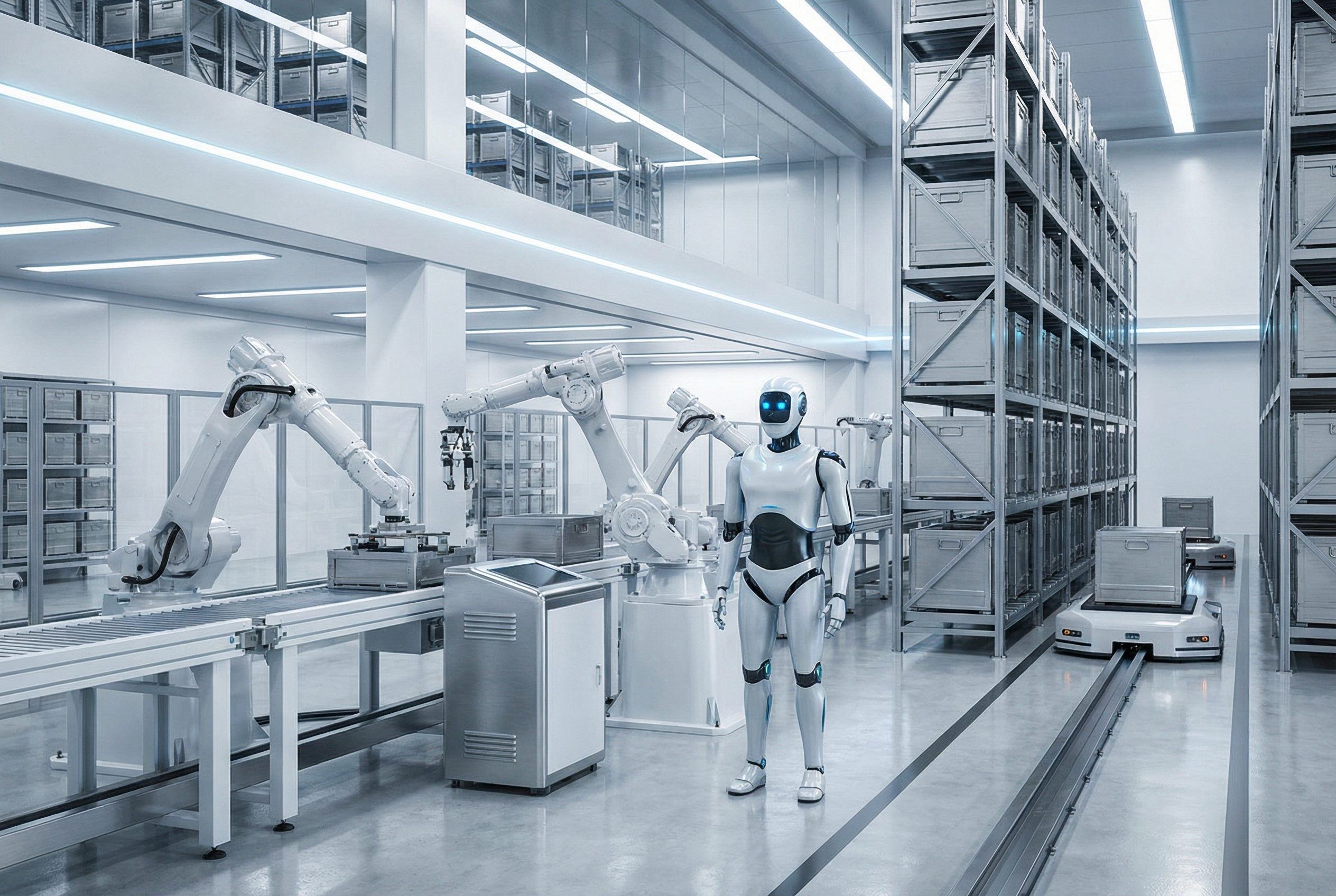
Humanoid robots, warehouse automation, and the workforce implications of the robot revolution.
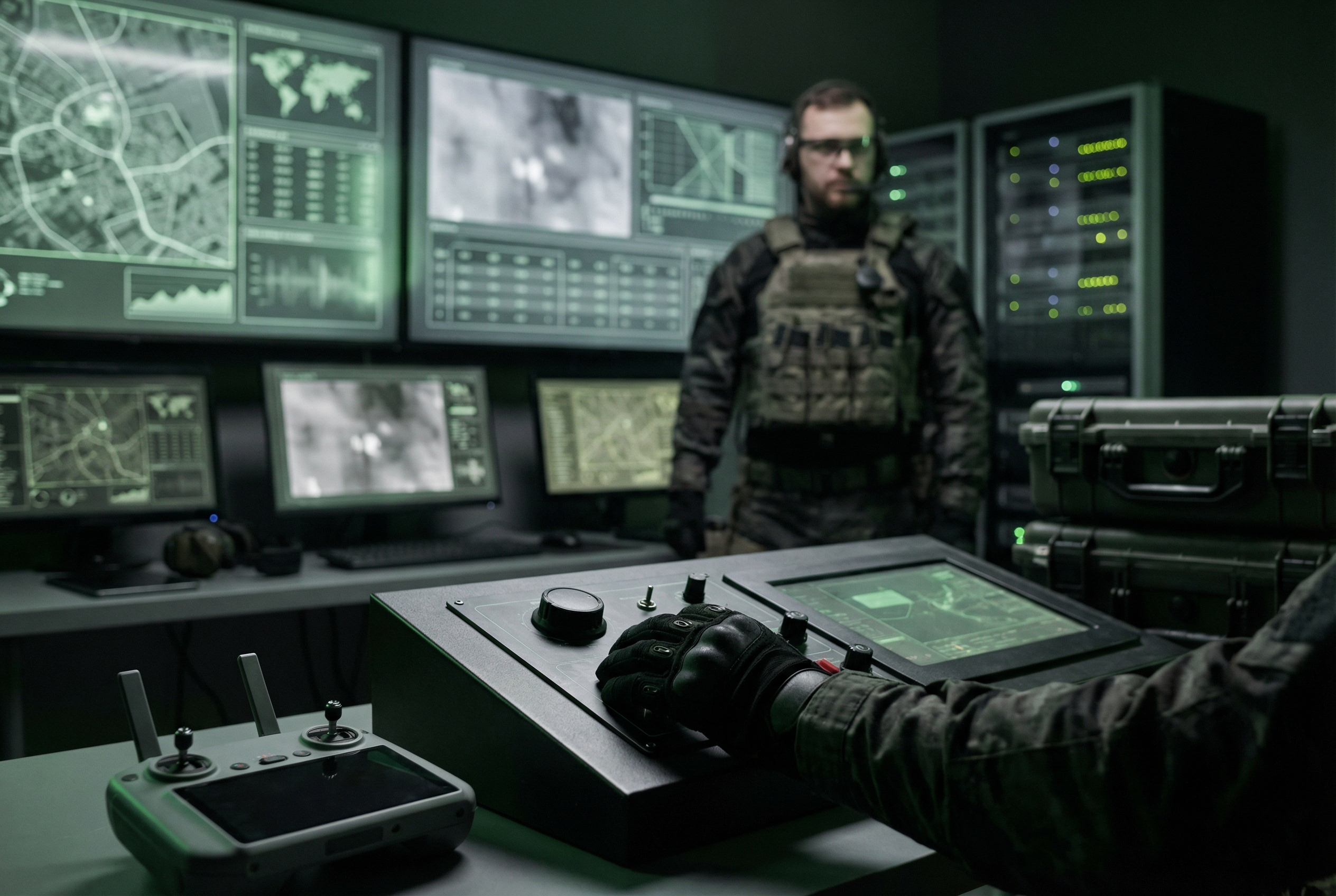
Autonomous weapons, military AI, cybersecurity, and national security technology.